How To Make Brown Colour Paint: A Step‑by‑Step Guide for Happy Artists
Brown is one of those versatile hues that can add warmth, depth, and realism to any artwork. Whether you’re painting a landscape, a portrait, or a still life, knowing how to mix your own brown paint gives you greater control over tone and pigment intensity. In this article you will learn an easy method to create brown colour paint using basic primary pigments, plus some pro tips to keep your mixes consistent.
Understanding Basic Color Theory
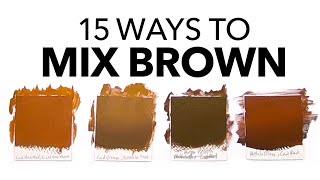
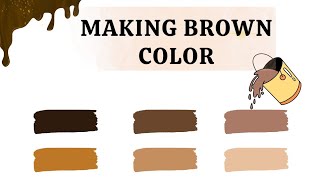
Before you start mixing, it helps to recall a few fundamentals of colour theory. Brown is essentially a muted orange, red, or yellow that has been darkened with a complementary colour. The most common approach is to combine a warm colour (red, orange, or yellow) with a cool colour (blue or green). When these opposites meet, they neutralise each other, leaving a rich, earthy brown.
- Red + Green = Brown
- Orange + Blue = Brown
- Yellow + Purple = Brown
Because pigments vary from brand to brand, the exact proportions may shift slightly. The key is to test the mixture on a scrap piece of paper and adjust until you achieve the desired shade.
Materials You’ll Need
- Primary acrylic or oil paints: red, yellow, and blue (or a ready‑made orange and a small amount of blue).
- A clean mixing palette or white ceramic plate.
- Palette knives or mixing sticks.
- Brushes for testing the colour on paper.
- Optional: a touch of white or black to fine‑tune the value.
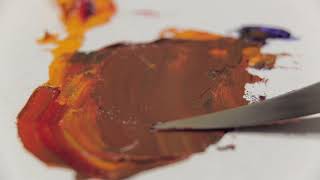
My new set of acrylics includes a vivid cadmium red, a bright lemon yellow, and a deep ultramarine blue. You can see my brush still has a little bit of yellow on it after the first mix, which is a good sign that the colour is bright enough to become a warm brown.
Step‑by‑Step Guide to Mixing Brown Paint
- Start with a base colour. Squeeze a small amount of red onto the palette. Add an equal amount of yellow to create orange. If you prefer a cooler base, use orange straight from the tube.
- Add the complementary hue. Using a clean mixing stick, add a tiny dab of blue to the orange. Mix thoroughly. The colour will shift toward brown as the blue neutralises the orange.
- Adjust the tone. If the mixture looks too greenish, add a little more red or yellow. If it leans too gray, increase the orange proportion.
- Test the colour. Dip a brush into the mixture and paint a swatch on white paper. Observe how the colour dries, because some pigments darken or lighten as they set.
- Fine‑tune the value. For a lighter, more muted brown, blend in a touch of white. For a deeper, richer brown, add a tiny amount of black or a