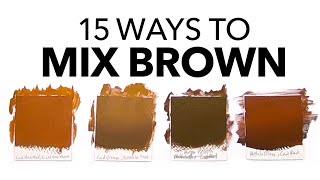
How To Make Brown From Yellow: A Step‑by‑Step Guide
When you think of mixing colors, yellow often seems like the starting point for bright, sunny hues. But did you know that with the right companions, yellow can also be the foundation for creating a rich, versatile brown? This article explains how to make brown from yellow using simple color‑mixing principles that work for painters, designers, and hobbyists alike.
Why Yellow Is Essential in Brown Mixing
Brown is essentially a muted orange or a darkened yellow‑red combination. Because yellow sits at the heart of the warm color spectrum, it provides the hue base that, when mixed with its complementary colors, yields the depth and warmth characteristic of brown. Understanding this relationship helps you avoid guesswork and achieve consistent results every time.
Materials You’ll Need
- Pure yellow paint (cadmium yellow or a similar hue)
- Red paint (magenta or cadmium red)
- Blue paint (ultramarine or phthalo blue)
- White paint (optional, for lightening)
- Palette knife or mixing brush
- Clean palette or mixing surface
Step 1: Create a Basic Orange
Start by mixing equal parts of yellow and red. This produces a bright orange that serves as the foundation for most brown shades. Learn to adjust the ratio if you want a cooler or warmer base: add a bit more yellow for a warmer orange, or more red for a richer, deeper tone.
Step 2: Darken the Orange with Blue
Adding a small amount of blue to the orange will neutralize the brightness and push the color toward brown. Use a tiny amount—usually a pinch or a few drops—because blue is a strong color that can quickly dominate the mixture. Stir thoroughly until the hue looks muted and earthy.
Step 3: Fine‑Tune the Tone
At this stage you have a basic brown, but you may need to adjust its temperature or value:
- Warm brown: Add a touch more yellow or red to bring warmth back.
- Cool brown: Introduce a little extra blue or a touch of green.
- Lighter brown: Mix in white paint gradually until the desired lightness is reached.
- Darker brown: Add a few more drops of blue or a tiny amount of black (if available).
Common Pitfalls and How to Avoid Them
When mixing brown from yellow, beginners often make two mistakes:
- Over‑adding blue: Too much blue will turn the mixture grayish rather than brown. Add blue incrementally and test the color on a scrap piece of paper.