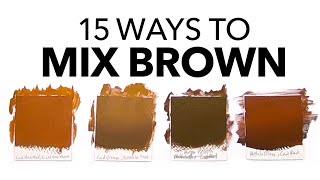
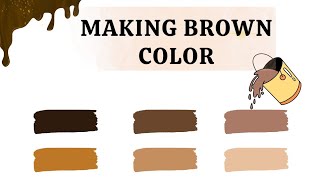
How To Make Brown Light: A Step‑by‑Step Color Mixing Guide
Creating a light brown hue may seem simple, but achieving the perfect shade requires a clear understanding of color theory, the right pigments, and a systematic mixing process. Whether you are a painter, a digital artist, or a craft‑making parent teaching kids, this guide will walk you through the fundamentals of making a light brown that works for skin tones, interiors, and everyday projects.
Why Light Brown Matters
Light brown is a versatile neutral that can serve as a base for skin tones (especially skin type III), a warm background for graphic designs, or a soothing color for children’s art activities. Its subtle warmth adds depth without overwhelming other colors, making it a favorite among professionals and hobbyists alike.
Essential Tools and Materials
- Primary pigments: Red, yellow, and blue (or their complementary equivalents).
- Secondary pigments: Orange, green, or violet for fine‑tuning.
- White paint or pigment: To lift the mixture and create a lighter value.
- Palette or mixing surface: A clean, non‑absorbent area for accurate color blending.
- Palette knife or brush: For thorough mixing without streaks.
Basic Theory Behind Light Brown
Brown is essentially a desaturated orange or a mixture of complementary colors. To make it “light,” you need to add white or a lighter base while maintaining the brown’s warm undertone. The classic formula is:
- Mix equal parts of red and yellow to create orange.
- Add a small amount of blue (or violet) to neutralize the orange, producing brown.
- Introduce white gradually until you reach the desired lightness.
Adjustments with secondary pigments help correct unwanted hues—green can cool an overly warm brown, while a touch of extra red can warm a cool mixture.
Step‑by‑Step Process for Making Light Brown
- Prepare your palette. Squeeze small amounts of red, yellow, blue, and white onto separate sections.
- Create orange. Combine one part red with one part yellow. Stir until the color is uniform.
- Neutralize to brown. Add a tiny pinch of blue (about 5 % of the orange volume). Mix thoroughly;