How To Make Brown With Crayons: A Simple Color‑Mixing Guide
Brown is one of those versatile hues that can add warmth to any drawing, from realistic landscapes to vibrant portraits. Yet many beginners assume that brown must be bought as a pre‑mixed crayon. In reality, you can create a rich, balanced brown using only the primary crayons you already have. This article explains how to make brown with crayons in a quick, three‑minute exercise that works for both teachers and artists.
Why Learn to Mix Brown Yourself?
Understanding color mixing deepens your grasp of color theory, improves your confidence with a limited palette, and saves money. When you know how to blend primary colors—red, blue, and yellow—you can produce endless shades of brown without needing special crayons. This skill also helps you teach children the fundamentals of art in a fun, hands‑on way.
Three‑Minute Mixing Routine
- Gather your primary crayons. You’ll need a red, a blue, and a yellow crayon. If you have multiple shades (e.g., orange or green), you can experiment later, but start with the pure primaries.
- Make a small test swatch. On a scrap piece of paper, draw a thin line of each color side by side. This visual reference lets you see how the pigments interact.
- Blend the colors. Using a clean fingertip or a piece of paper, overlap the red and blue first. This creates a purple base. Then add a touch of yellow to mute the purple, resulting in a brown tone. Adjust the ratio by adding more of any primary until you reach the desired warmth.
Step‑by‑Step: Creating Brown for a Portrait
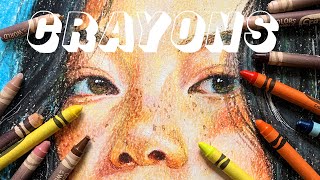
When drawing a colorful portrait with just regular crayons, brown often appears in hair, shadows, and skin undertones. Follow these steps to achieve a natural‑looking brown that complements your overall palette.
1. Start with a Warm Base
Begin by mixing equal parts of red and yellow to form orange. This warm base will keep your brown from looking too dull. Use a small area of the paper to test the orange before proceeding.
2. Introduce a Cool Counterbalance
Take a blue crayon and add a tiny amount to the orange. The blue will neutralize the brightness, shifting the hue toward brown. Remember, a little blue goes a long way—add it gradually.
3. Refine the Shade
If the resulting color leans too greenish, add a touch more red. If it feels too gray, incorporate a bit more yellow. The key is to tweak the mixture in small increments until the brown matches the area you