Curated coverage and comprehensive guides by Highlights.
# How to Make Friends and Influence People: A Practical Guide
Building meaningful connections and positively influencing others is a skill that can transform your personal and professional life. While the desire to connect is universal, the "how" often feels elusive. Fortunately, time-tested principles can guide us, famously outlined in Dale Carnegie's classic work, "How to Win Friends and Influence People." This article distills those enduring lessons into actionable steps you can apply today.
## Shift Your Focus: Show Genuine Interest in Others
The foundational principle of making friends is counterintuitive: it’s not about being more interesting, but about being more interested. People are naturally drawn to those who show sincere curiosity about their lives, thoughts, and feelings. To practice this, shift your conversations from yourself to others. Ask open-ended questions like, "What’s been the highlight of your week?" or "How did you get started in that field?" Then, listen with the intent to understand, not just to reply. This genuine interest creates an immediate and powerful bond.
## Remember and Use Names: A Powerful Personal Touch
A person's name is, to them, the sweetest and most important sound in any language. Remembering and using someone's name in conversation is a simple yet profound way to make them feel seen and valued. It demonstrates that you were paying attention and that they made an impression. Make it a small personal challenge to remember the names of people you meet. If you forget, it's perfectly okay to politely ask for a reminder.
## Be a Good Listener: Encourage Others to Talk
One of the most appreciated gifts you can give someone is your undivided attention. Become an active listener. Put away your phone, make eye contact, and nod to show you're engaged. Encourage the other person to share more by asking follow-up questions about what they’ve just said. This not only helps you understand them better but also makes them feel important and respected. People will associate that positive feeling with you.
## Make the Other Person Feel Important—Sincerely
Everyone has a deep-seated desire to feel appreciated. You can satisfy this need by offering sincere praise and appreciation. Be specific in your compliments. Instead of a generic "Good job," try, "I really admired how you handled that difficult question during the presentation; your preparation showed." This kind of specific, heartfelt praise builds others up and fosters goodwill.
## Avoid Criticism, Condemnation, and Complaints
Criticism is futile because it puts a person on the defensive and wounds their pride. It rarely results in lasting change and often damages the relationship. When you feel the urge to criticize, pause. Instead of focusing on someone's fault, try to understand their perspective. If you must address an issue, do it with empathy and focus on collaborative solutions rather than blame. Criticism builds walls; understanding builds bridges.
## Start with Honesty and Appreciation
When you need to persuade or guide someone, begin with sincere appreciation. Acknowledge their good qualities or past efforts. This creates a receptive atmosphere. For example, instead of diving straight into a critique, you might say
Related Coverage
How To Win Friends & Influence People (in 20 Minutes)
This is a short summary of Dale Carnegie's amazing book “
How To Win Friends And Influence People By Dale Carnegie (Audiobook)
How To Win Friends And Influence People
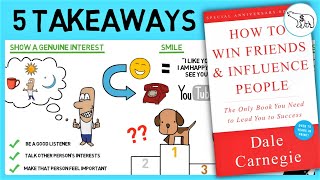
How to Win Friends and INFLUENCE People (Animated Book Summary)
This is a animated book summary of Dale Carnegie's amazing book
How To Win Friends And INFLUENCE People –Dale Carnegie [COMPLETE summary]
FREQUENTLY ASKED QUESTIONS (FAQ) CAN YOU HELP ME START A YOUTUBE CHANNEL LIKE YOURS? I've put ...
How To Win Friends & Influence People // 10 Timeless Life Lessons
Download Your FREE PDF 1-Page Companion Guide -
How To Win Friend And Influence People Explained in 26 minutes | Vaibhav Kadnar
How to Win Friends and Influence People
How to Win Friends and Influence People by Dale Carnegie Full Audiobook Summary
Discover the timeless wisdom of Dale Carnegie's classic,
HOW TO WIN FRIENDS AND INFLUENCE PEOPLE (BY DALE CARNEGIE)
Support the channel by getting
HOW TO WIN FRIENDS AND INFLUENCE PEOPLE by Dale Carnegie | Animated Core Message
1-Page PDF Summary: https://lozeron-academy-llc.kit.com/
How to Win Friends and Influence People Animated Book Summary
Shortform makes the world's best guides to non-fiction books. To learn more about
How to Win Friends and Influence People by Dale Carnegie ► Animated Book Summary
Learn essential communication skills in this animated book summary of
10 Best Ideas | How to Win Friends and Influence People | Dale Carnegie | Book Summary
Newsletter + 11Q workshop - https://www.clarkkegley.com/free-questions Free Resources 50 Books that Changed My Life ...
The Secret Book to Win Friends and Influence People


![How To Win Friends And INFLUENCE People –Dale Carnegie [COMPLETE summary]](https://i.ytimg.com/vi/8SUiLkl42FQ/mqdefault.jpg)