How To Make Poached Egg: A Step‑by‑Step Guide
Stop frying eggs! Here’s a simple method that delivers silky, restaurant‑quality poached eggs at home. Whether you’re preparing a classic Eggs Benedict or just want a light breakfast, learning how to master the poachedegg technique will elevate your meals.
Why Choose Poached Eggs?
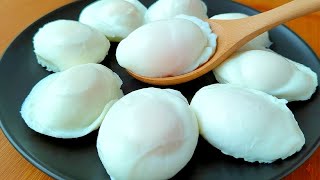
Poached eggs are low‑fat, high‑protein, and have a delicate texture that’s hard to achieve with frying. Because the egg cooks in gentle water, the whites stay tender while the yolk remains runny, creating a perfect balance for toast, salads, and grain bowls.
Tools and Ingredients You’ll Need
- Fresh eggs – the fresher, the better for a compact white.
- Medium‑sized saucepan – 2‑3 inches deep works well.
- Water – enough to cover the egg by about an inch.
- White vinegar (optional) – a teaspoon helps the whites set faster.
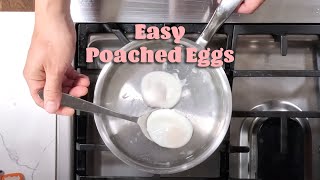
- Slotted spoon – for gently lifting the egg out of the water.
- Paper towels – to blot excess moisture.
Preparing the Poaching Water
Fill the saucepan with water, add a pinch of salt, and bring it to a gentle simmer. You should see tiny bubbles forming on the bottom of the pan, but the surface must stay calm. If you prefer, add one teaspoon of white vinegar; it won’t flavor the egg but will help the whites coagulate quickly.
The Poaching Process (Step‑by‑Step)
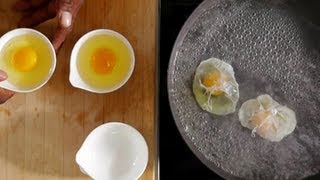
- Crack the egg into a small bowl. This makes it easier to slide the egg into the water without breaking the yolk.
- Create a whirlpool. Using a spoon, stir the simmering water in a steady clockwise motion to form a gentle vortex.
- Slide the egg into the center. Hold the bowl close to the surface and let the egg slip out slowly. The whirlpool helps the white wrap around the yolk.
- Cook for 3‑4 minutes. This timing yields a set white and a runny yolk. Adjust by a half‑minute for firmer yolks.