How To Make Sourdough: A Step‑by‑Step Guide
If you’ve ever wondered how to effortlessly create a fresh loaf of sourdough at home, you’re in the right place. After hundreds of requests, I’m so happy to have finally filmed a step‑by‑step guide on my favorite sourdough recipe. This article walks you through every stage, from nurturing a starter to slicing into a fresh loaf of artisanal‑style bread.
Understanding the Sourdough Starter
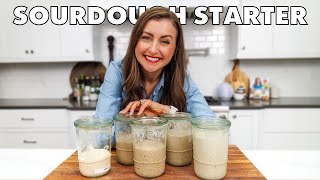
The heart of any sourdough loaf is the starter—a living culture of wild yeast and bacteria. Here’s how to get it going:
- Day 1: Mix 100 g of whole‑grain flour with 100 ml of lukewarm water in a clean jar. Stir until smooth, cover loosely, and let sit at room temperature (around 21 °C) for 24 hours.
- Day 2–5: Discard half of the mixture each morning and feed the remaining starter with 50 g of flour and 50 ml of water. Within 4–5 days you should see bubbles and a pleasant tangy aroma.
- Ready to use: The starter is active when it doubles in size within 4‑6 hours of feeding and passes the “float test” (a spoonful floats on water).
Once your starter is vigorous, you can get started on the dough itself.
Preparing the Dough
Below is a simple, reliable formula that works for most home bakers. Adjust the hydration (water percentage) based on your flour’s absorption.
- 500 g bread flour
- 350 ml water (70 % hydration)
- 100 g active starter (20 % of flour weight)
- 10 g salt (2 % of flour weight)
1. Autolyse
Combine the flour and water in a large bowl. Stir until no dry spots remain, then cover and let rest for 30 minutes. This stage hydrates the flour and begins gluten development.
2. Incorporate the Starter
Add the active starter to the autolysed mixture. Use a wet hand to fold the dough until the starter is evenly distributed. Let the dough rest for 20 minutes.
3. Add Salt
Sprinkle the salt over the dough and perform a series of stretch‑and‑folds every 10 minutes for the next 30 minutes. This builds strength without kneading.
4. Bulk Fermentation
Cover the bowl and let the dough rise at room temperature for 3–4 hours, or until it has increased by about 30‑40 %. Perform a set of gentle folds every hour to maintain structure.
Shaping and Proofing
After bulk fermentation, turn the dough onto a lightly floured surface.