How To Raise VO2 Max With Garmin: A Practical Guide
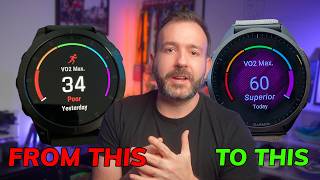
Improving your VO2 max is a common goal for runners, cyclists, and triathletes who want to boost endurance and performance. Garmin wearables make it easy to measure and monitor this metric, but the data alone won’t raise your VO2 max. This article explains what VO2 max is, how Garmin tracks it, and the most effective training and recovery strategies to increase it safely.
Understanding VO2 Max and Its Role in Fitness
What Is VO2 Max?
VO2 max (maximal oxygen uptake) is the highest amount of oxygen your body can use during intense exercise, expressed in milliliters per kilogram of body weight per minute (ml/kg/min). It reflects the efficiency of your heart, lungs, and muscles. A higher VO2 max typically means you can sustain faster speeds for longer periods.
Why Garmin Is a Reliable Tool
Garmin devices combine heart‑rate monitoring, GPS, and advanced algorithms to estimate VO2 max during outdoor runs and rides. The estimate improves as you log more activities, giving you a clear picture of your fitness trends over weeks and months.
How Garmin Measures VO2 Max
Supported Devices and Data Sources
Most Garmin Forerunner, Fenix, and Edge models provide VO2 max estimates. The watch records heart rate, speed, and elevation, then applies a proprietary model to calculate a score. For the most accurate reading, follow these best practices:
- Wear a chest strap or use the watch’s optical sensor for a consistent heart‑rate signal.
- Run or ride on a flat course or a steady uphill climb to avoid abrupt changes in effort.
- Complete at least 15 minutes of continuous activity at a moderate to hard intensity.
Proven Strategies to Raise Your VO2 Max
1. Structured Interval Training
High‑intensity intervals are the most efficient way to stimulate VO2 max improvements. Aim for two sessions per week, each lasting 20–30 minutes of work:
- Warm‑up: 10