Introduction Letter for Teachers to Parents: A Complete Guide
At the start of every school year, a well‑crafted introduction letter helps teachers build a strong partnership with parents. This brief yet informative document sets the tone for open communication, outlines classroom expectations, and shows parents that their child’s education is a shared priority.
Why an Introduction Letter Matters
Research consistently shows that early parent‑teacher collaboration improves student achievement, attendance, and behavior. An introduction letter is the first step in establishing that collaboration. It gives parents a clear snapshot of who you are, what your classroom will look like, and how families can stay involved.
Key Elements of an Effective Letter
- Personal greeting – Address parents by name when possible, or use a warm collective greeting such as “Dear Parents and Guardians.”
- Brief teacher biography – Include your education, teaching experience, and a personal detail that humanises you (e.g., a hobby or a teaching philosophy).
- Classroom vision – Summarise the learning goals, core values, and the atmosphere you aim to create.
- Practical information – List the daily schedule, contact methods, office hours, and any required materials.
- Parent involvement – Explain how parents can contribute, from volunteering to attending the back‑to‑school meet‑the‑teacher event.
- Call to action – Invite parents to respond with questions, schedule a meeting, or sign up for classroom activities.
Step‑by‑Step: Writing the Letter
- Start with a friendly opening. A simple “Welcome to a new school year!” creates enthusiasm.
- Introduce yourself. Mention your name, subject, grade level, and a short professional background.
- Share your teaching philosophy. Use a concise sentence such as, “I believe every child learns best in a supportive, inquiry‑driven environment.”
- Outline classroom expectations. Highlight key rules, homework policy, and how you will celebrate achievements.
- Provide contact details. Include your email, preferred phone hours, and the school’s communication platform.
- Invite participation. Reference the upcoming back‑to‑school Meet the Teacher session and any volunteer opportunities.
- Close with gratitude. Thank parents for their partnership and sign off with a warm farewell.
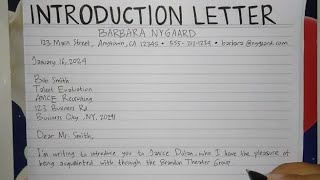
Sample Introduction Letter
Dear Parents and Guardians,
Welcome to the 2026‑2027 school year! My name is Ms. Maya Rivera, and I am thrilled to be your child’s 4th‑grade teacher at Lincoln Elementary School. I hold a Master’s degree in Elementary Education and have spent the past six years fostering curiosity in diverse classrooms.
My classroom is built on three pillars: respect, resilience, and rigorous inquiry. Students will explore mathematics, reading, and science through hands‑on projects, collaborative discussions, and reflective journaling. I expect punctual