Is Bosnia and Herzegovina a European Country?
Yes. Bosnia and Herzegovina (BiH) is a sovereign state located in Southern Europe, specifically in the western part of the Balkan Peninsula. Its borders touch Croatia to the north, west, and south, Serbia to the east, and Montenegro to the southeast. The country’s capital, Sarajevo, sits at the crossroads of East and West, a legacy that shapes its cultural and political identity.
Geographical Context: Sitting in the Heart of the Balkans
When you look at a map of Europe, Bosnia and Herzegovina occupies a central position in the Balkans. The region is defined by its mountainous terrain, river valleys, and a Mediterranean‑type climate along the small Adriatic coastline. This location makes BiH a natural bridge between Central Europe and the Mediterranean, a fact often highlighted in travel documentaries that explore the country’s diverse landscapes.
Key Geographical Features
- Mountains: The Dinaric Alps dominate the western and central areas, offering rugged scenery and opportunities for outdoor activities.
- Rivers: The Neretva, Bosna, and Vrbas rivers flow through valleys that have historically supported agriculture and settlement.
- Coastline: A brief 20‑kilometre stretch along the Adriatic Sea gives BiH access to maritime trade.
Political Status and International Recognition
Bosnia and Herzegovina is a member of the United Nations, the Organization for Security and Co‑operation in Europe (OSCE), and the Council of Europe. It is recognized as a European country by the international community and participates in regional initiatives such as the Central European Free Trade Agreement (CEFTA). While BiH is not yet a member of the European Union, it has signed a Stabilisation and Association Agreement (SAA) with the EU, a formal step toward eventual accession.
Government Structure
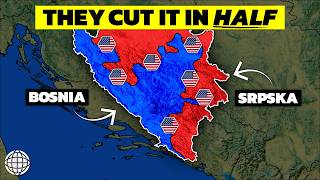
The country’s complex political system stems from the Dayton Peace Agreement of 1995, which ended the Bosnian War. Bosnia and Herzegovina consists of two entities—the Federation of Bosnia and Herzegovina and Republika Srpska—and a self‑governing Brčko District. This arrangement aims to balance the interests of its three main ethnic groups: Bosniaks, Croats, and Serbs.
Current Political Climate: The Dodik Factor
In recent years, Bosnian Serb leader Milorad Dodik has become a focal point of internal politics. Dodik has repeatedly advocated for greater autonomy for Republika Srpska, and at times, he has hinted at a possible split from the central government. While his statements generate heated debate, they have not resulted in any formal move toward secession. International observers continue to emphasize the importance of preserving Bosnia and Herzegovina’s territorial integrity as a cornerstone of stability in the Balkans.
Impact on European Aspirations
Political