Is Holland a Separate Country from The Netherlands?
The question “Is Holland a separate country from The Netherlands?” pops up frequently in travel forums, classroom discussions, and even in casual conversation. While the two names are often used interchangeably, they actually refer to different geographic and political entities. This article explains the distinction, explores the historical reasons behind the confusion, and offers three clear ways to remember which term to use when you’re talking about the Dutch nation versus the Dutch region.1. The Netherlands: The Sovereign State
The Netherlands is a sovereign country in north‑western Europe. It shares borders with Belgium to the south, Germany to the east, and the North Sea to the north and west. The nation is a constitutional monarchy with a parliamentary system, and it is composed of twelve provinces, each with its own local government. Key facts about The Netherlands:- Capital: Amsterdam (the constitutional capital) and The Hague (seat of government).
- Population: About 17.5 million people.
- Official language: Dutch.
- International role: Host of the International Court of Justice, the International Criminal Court, and many EU institutions.
2. Holland: A Historic Region, Not a Country
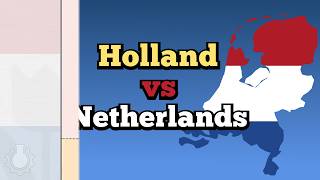
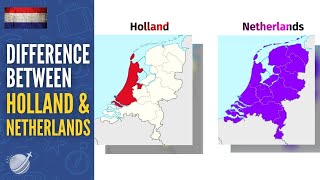
Holland is a *region* within The Netherlands, made up of two provinces:- North Holland (Noord‑Holland) – home to Amsterdam, the country’s constitutional capital, as well as historic towns like Haarlem.
- South Holland (Zuid‑Holland) – where you’ll find Rotterdam (Europe’s largest port), The Hague (the seat of government), and the iconic windmills of Kinderdijk.
3. Why the Confusion? Three Common Reasons
In everyday speech the terms “Holland” and “The Netherlands” are often swapped. Below are three ways to understand why the mix‑up persists:- Historical prominence: During the 17th‑century Dutch Golden Age, the County (later Province) of Holland was the economic powerhouse of the Dutch Republic. Its wealth and maritime dominance made “Holland” synonymous with the entire republic in many foreign accounts.
- Cultural branding: Tourism boards and commercial marketers have long used “Holland” as a catchy, easy‑to‑remember brand. Slogans such as “Visit Holland – See the Tulips” appear on brochures, airline ads, and even on the official tourism website.
- Language shortcuts: English speakers often shorten “The Netherlands” to “Holland” because the latter is shorter and sounds more familiar. This habit spreads quickly in sports commentary, pop culture, and casual conversation.
4. How to Use the Terms Correctly – A Quick Guide
Below is a practical checklist you can follow when writing or speaking about the Dutch nation:- Use The Netherlands when referring to the entire country, its government, national policies, or any of the twelve provinces.
- Use Holland only when you specifically mean the combined area of North Holland and South Holland.
- If you’re unsure, default to “The Netherlands.” It is always accurate and avoids the risk of unintentionally excluding the other ten provinces.
5. A Real‑World Example: Sports and Media
International sports events illustrate the mix‑up perfectly. The Dutch national football team is officially called “the Netherlands,” yet commentators often shout “Go Holland!” during matches. The same pattern appears in Olympic coverage, where athletes from all provinces compete under the flag of The Netherlands, but the broadcast graphics may label the team “Holland” for brevity.6. The Role of Media and Online Content
If you watch explanatory videos—such as those produced by popular educational YouTubers— you’ll often hear a line like, “In this video, we’ll show you the difference between Holland and The Netherlands.” These videos typically break down the historical evolution, map the provinces, and clarify the modern usage. They are useful tools for visual learners and help cement the distinction in the public mind.7. Frequently Asked Questions
Q: Can I travel to Holland without a visa if I have a Schengen visa for The Netherlands?
A: Yes. A Schengen visa for The Netherlands grants you access to the entire Schengen Area, which includes all Dutch provinces, Holland included.
Q: Do Dutch people prefer one term over the other?
A: Many Dutch citizens say “The Netherlands” (or “Nederland” in Dutch) when speaking formally, but they may use “Holland” informally, especially when referring to the western coastal region.
Q: Is there any political movement to rename the country “Holland”?
A: No. The government has repeatedly emphasized that “The Netherlands” is the correct official name, and there are no serious proposals to change it.
8. Bottom Line
To sum up, Holland is **not** a separate country. It is a historic region comprising the provinces of North Holland and South Holland, both of which lie within the sovereign state of The Netherlands. The confusion stems from historical prominence, cultural branding, and linguistic shortcuts. By remembering the three reasons for the mix‑up and applying the quick‑use guide above, you can communicate accurately and avoid the common pitfalls that trip up even seasoned travelers.9. Further Exploration
If you’re fascinated by the layered history of the Low Countries, consider joining a history‑focused book club or checking out free resources that dive deeper into Dutch culture. For example, the “Captivating History Book Club” often features titles on European trade routes, and a quick search will reveal free mythology bundles that explore the legends that once sailed the same waters as Dutch merchants.10. Quick Recap – Three Ways to Remember
- Geography: Holland = two provinces (North & South); The Netherlands = twelve provinces.
- History: Holland was the economic heart of the Dutch Republic, but never a separate nation.
- Usage: Use “The Netherlands” for official, national, or inclusive references; reserve “Holland” for the western coastal region only.