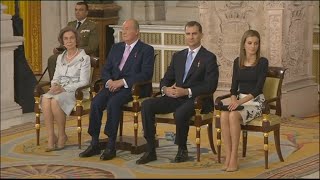
King of Spain in Exile: How a Monarch Became a Controversial Figure
Since the death of the late dictator Francisco Franco, the Spanish throne has been a focal point for both reverence and criticism. The phrase “King of Spain exile” evokes a complex narrative that blends royal tradition, modern politics, and lingering scandals. This article examines the events that led to the former king’s self‑imposed exile, the intense speculation surrounding his whereabouts, and the broader debate about the future of the Spanish monarchy.
From Restoration to Resignation
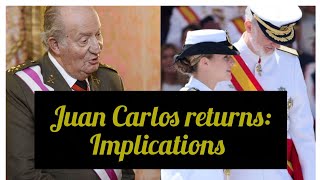
After Franco’s death in 1975, the monarchy was restored under King Juan Carlos I, who was widely praised for guiding Spain toward democracy. However, his reign was later tarnished by a series of scandals, including allegations of financial improprieties and an unpopular hunting trip to Botswana. In June 2014, Juan Carlos abdicated in favor of his son, Felipe VI, who currently occupies the throne.
The Catalyst for Exile
The turning point came in 2012 when the King was photographed on an illegal hunting trip to Botswana, sparking public outrage. Subsequent investigations revealed questionable offshore accounts, prompting a wave of media scrutiny. By early 2020, the Spanish justice system opened a formal probe into alleged tax evasion and money‑laundering activities linked to the former monarch.
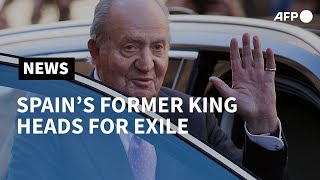
Faced with mounting legal pressure, Juan Carlos announced in August 2020 that he would leave Spain for a “period of reflection.” The move was officially described as a temporary retreat, but it quickly turned into an extended stay abroad, effectively placing the former king in exile.
Intense Speculation in the Media
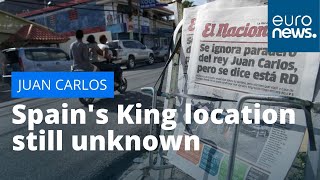
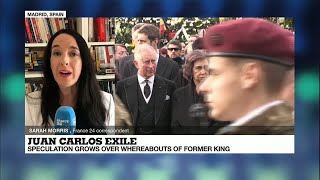
There’s intense speculation in Spanish and international outlets regarding the former king’s exact location and the legal implications of his exile. Some reports suggest he resides in the United Arab Emirates, while others claim he spends time in private villas across Europe. The lack of official confirmation fuels rumors, and the Spanish government has repeatedly emphasized that the investigation will proceed regardless of his whereabouts.
Public Reaction and the Call for a Referendum
Juan Carlos’s exile has reignited a longstanding debate about the relevance of the monarchy in contemporary Spain. A growing segment of Spaniards are calling for a referendum on eliminating the monarchy altogether. These voices argue that the institution has become a relic of the past, especially after the scandals that tarnished the royal image.
Conversely, other Spaniards worry that a referendum could empower separatist movements, particularly in Catalonia and the Basque Country. They fear that a constitutional overhaul might create a power vacuum that separatists could exploit, further destabilizing the nation.
Impact on the Current Monarch
King Felipe VI has sought to distance himself from the controversies of his father’s reign. Since ascending the throne, he has emphasized transparency, restored public trust, and championed constitutional values. Nevertheless, the lingering shadow of the former king’s exile continues to affect the royal household’s reputation.
Legal Proceedings and Possible Outcomes
After nearly five years of investigations, Spanish prosecutors have filed formal charges against Juan Carlos, alleging tax fraud and money‑laundering. The case is expected to proceed in the Spanish courts, even if the former