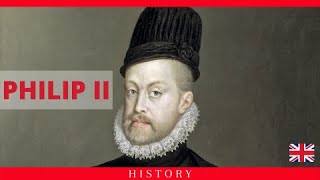
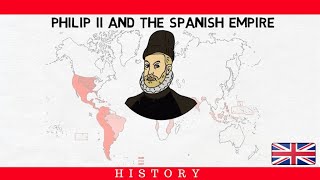
Introduction to King Philip II of Spain
The life of King Philip II of Spain is a fascinating story of power, politics, and faith. As the son of Emperor Charles V, Philip II was destined for greatness, and his reign would shape the course of European history. In this article, we will explore the key facts about King Philip II of Spain, from his childhood to his reign as one of the most influential monarchs of the 16th century.
Childhood and Early Life
Philip II was born on May 21, 1527, in Valladolid, Spain, to Emperor Charles V and his wife, Isabella of Portugal. As a child, Philip received a thorough education in Latin, Greek, and other subjects, which would serve him well in his future role as king. His childhood was also marked by the influence of his father, who was a devout Catholic and a strong leader. This early exposure to the workings of power and faith would shape Philip's worldview and inform his decisions as king.
The Reign of King Philip II
Philip II ascended to the throne in 1556, following the abdication of his father, Emperor Charles V. At the time, Philip was just 29 years old, but he had already gained significant experience in governance, having served as regent of Spain during his father's absences. As king, Philip II would go on to rule a vast empire, stretching from Spain to the Americas, and encompassing territories in Africa, Asia, and Europe.
Marriage and Diplomacy
One of the key aspects of Philip II's reign was his marriage to Mary I of England, also known as Bloody Mary. This marriage was a strategic move, aimed at strengthening ties between Spain and England, and securing a Catholic alliance against the rising threat of Protestantism. The marriage was not without controversy, however, as many in England were opposed to the idea of a Spanish king, and Mary's attempts to restore Catholicism in England were met with resistance. Despite these challenges, Philip II remained committed to his wife and his faith, and he worked tirelessly to promote the interests of Spain and the Catholic Church.
Key Facts About King Philip II
Here are some key facts about King Philip II of Spain:
- Philip II was a skilled diplomat and strategist, who navigated the complex web of alliances and rivalries in 16th-century Europe with ease.
- He was a devoted Catholic, who saw himself as a servant of God, and worked to promote the interests of the Church throughout his reign.
- Philip II was a ruthless administrator, who was willing to take tough decisions to maintain order and stability in his empire.
- He was a patron of the arts, who supported the work of artists, writers, and musicians, and encouraged the development of Spanish culture.
- Philip II oversaw the construction of the Escorial, a vast palace and monastery complex, which would serve as the royal residence and a symbol of Spanish power.
Legacy of King Philip II
The legacy of King Philip II is complex and multifaceted. On the one hand, he was a successful monarch, who maintained the power and influence of Spain, and promoted the interests of the Catholic Church. On the other hand, his reign was marked by controversy and conflict, including the Spanish Inquisition, and the persecution of Protestants and other minority groups. Despite these challenges, Philip II remains one of the most fascinating and influential figures of the 16th century, and his story continues to captivate historians and scholars today.
Conclusion
In conclusion, the life and reign of King Philip II of Spain are a fascinating story of power, politics, and faith. From his childhood to his reign as one of the most influential monarchs of the 16th century, Philip II was a complex and multifaceted figure, who navigated the challenges of his time with skill and determination. Whether seen as a ruthless administrator or a servant of God, Philip II remains an important figure in European history, and his legacy continues to shape our understanding of the