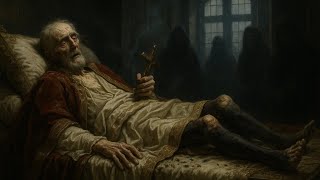
King Philip of Spain: A Comprehensive Overview
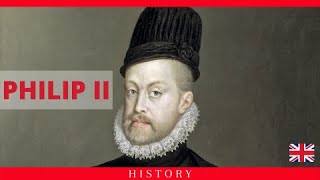
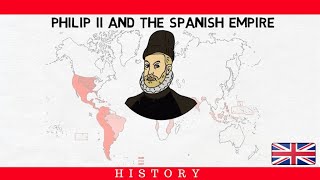
King Philip of Spain is most commonly associated with Philip II (1527‑1598), the monarch who ruled one of the largest empires in European history. His reign marked the height of Spanish power, a complex blend of religious zeal, administrative reforms, and global expansion. This article explores his life, policies, and lasting impact while remaining concise and factual.
Early Life and Ascension to the Throne
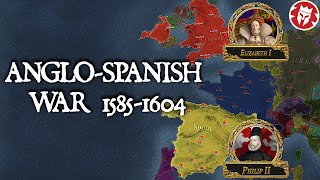
Born on May 21, 1527 in Valladolid, Philip was the son of Emperor Charles V and Isabella of Portugal. Raised in a multilingual court, he received a rigorous education in law, theology, and statecraft. In 1554, he married Mary I of England, forging a brief but significant alliance between Spain and England.
When Charles V abdicated in 1556, Philip inherited the Spanish kingdoms, the Netherlands, and the overseas empire, while his brother Ferdinand received the Holy Roman Empire. Philip’s coronation as King of Spain solidified his role as the chief defender of Catholicism in Europe.
Administrative Reforms and Governance
Philip II is often described as a ruthless administrator who centralized authority but also relied heavily on a network of loyal nobles and bureaucrats. Key reforms included:
- Royal Council of State – a body that advised the king on foreign policy and legislation.
- Audiencias – regional courts that combined judicial and administrative functions, helping to enforce royal decrees across distant territories.
- Fiscal Centralization – the introduction of the “royal treasury” (Real Hacienda) to better manage revenues from the Americas, the Philippines, and European possessions.
These measures increased efficiency but also placed a heavy tax burden on subjects, contributing to occasional unrest, especially in the Netherlands.
Religious Policy and the Counter‑Reformation
Philip’s reign coincided with the height of the Counter‑Reformation. He championed the Council of Trent’s decrees, reinforced the Inquisition, and supported the Jesuit order. His policies aimed to preserve Catholic orthodoxy, leading to:
- Suppression of Protestant movements in the Spanish Netherlands, culminating in the Eighty‑Year War (1568‑1648).
- Patronage of missionary activity in the New World, where evangelization accompanied colonization.
- Support for the Spanish Inquisition’s efforts to root out heresy, which, while controversial, was viewed by the king as essential for religious unity.