Understanding the Basics of a Food Chain
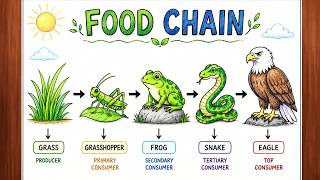
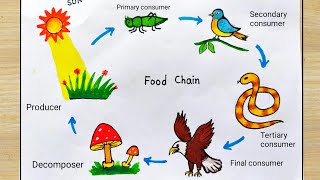
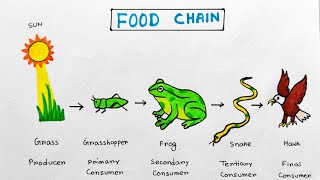
A food chain is a linear sequence that shows how energy and nutrients move from one organism to another in an ecosystem. Each step in the chain represents a trophic level, beginning with producers that capture sunlight and ending with top predators that have few or no natural enemies.
When students can label a food chain correctly, they gain a clear picture of ecological relationships and the flow of energy. This skill is essential for introductory biology and helps learners connect classroom concepts to real‑world ecosystems such as forests, grasslands, and oceans.
Why Labeling a Food Chain Matters
Labeling a food chain does more than assign names to organisms; it reinforces several core scientific ideas:
- Energy transfer: Students see how only a fraction of energy passes from one level to the next.
- Interdependence: The diagram highlights how the survival of each species depends on those below it.
- Impact of disturbance: Removing or altering one link shows potential ripple effects throughout the ecosystem.
These concepts are foundational for topics such as biodiversity, conservation, and climate change.
Step‑by‑Step Guide to Label a Food Chain
- Identify the ecosystem. Choose a setting—forest, desert, freshwater pond, or ocean. The context determines which organisms are likely to appear.
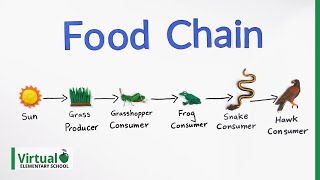
- Start with producers. List the primary producers (usually plants or phytoplankton) that convert solar energy into chemical energy through photosynthesis.
- Add primary consumers. These are herbivores that eat the producers. Examples include insects, zooplankton, or grazing mammals.
- Include secondary consumers. These carnivores or omnivores feed on primary consumers. Common examples are small fish, birds, or insectivorous mammals.
- Finish with tertiary or apex predators. These top‑level carnivores have few or no predators themselves, such as sharks, eagles, or large cats.
- Label each organism. Write the common name and, if possible, the scientific name to reinforce taxonomy.
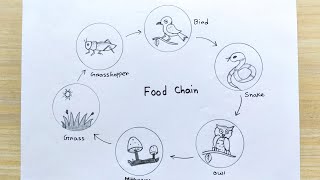
- Show energy flow. Use arrows pointing from food source to consumer. Optionally add a brief note about the percentage of energy retained (approximately 10 % per level).
When students follow these steps, they create a clear, accurate visual