Letter Name Fluency Practice: Building a Strong Foundation for Early Readers
Letter name fluency—being able to quickly and accurately name each letter of the alphabet—is one of the earliest predictors of reading success. When students can retrieve letter names with ease, they free up mental resources for more complex tasks such as phonemic awareness, decoding, and comprehension. For children who score low in retrieving letter names, targeted letter naming fluency practice can make a dramatic difference.
Why Letter Name Fluency Matters
Research across multiple early‑literacy assessments, including the DIBELS 8th Edition, consistently shows a strong correlation between rapid letter naming and later reading achievement. When a child can name a letter within a second, they are more likely to:
- Recognize the same letter in print, which supports word‑recognition skills.
- Connect letter names to their corresponding sounds, a key step in phonics instruction.
- Develop confidence in classroom reading activities, reducing anxiety and increasing motivation.
Because of this link, educators and parents often use letter name fluency practice as an early screening tool and as a focal point for intervention.
Identifying Students Who Need Extra Support
Systematic screening helps teachers pinpoint learners who may be falling behind. The DIBELS 8th Edition includes a brief, timed letter‑naming probe that can be administered in less than two minutes. Students who score below benchmark levels typically:
- Take longer than a second per letter.
- Make frequent errors on high‑frequency letters (e.g., “A,” “S,” “M”).
- Show inconsistent performance across repeated trials.
Once identified, these students benefit from focused, daily practice that is both structured and enjoyable.
Effective Strategies for Letter Name Fluency Practice
1. Short, Daily Warm‑Ups
Research on skill acquisition recommends brief, frequent sessions over long, infrequent ones. A 3‑minute “letter flash” at the start of each day can keep the skill sharp without overwhelming young learners.
2. Multi‑Sensory Activities
Engaging multiple senses reinforces memory pathways. Consider these ideas:
- Air‑Writing: Students trace letters in the air while saying the name aloud.
- Tactile Tiles: Use sandpaper or foam letters that children can feel while naming them.
- Movement Songs: Incorporate a catchy tune that pairs each letter with a simple action (e.g., “A for Apple, stretch your arms high”).
3. Interactive Video Resources
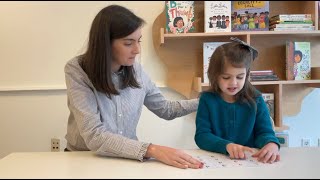
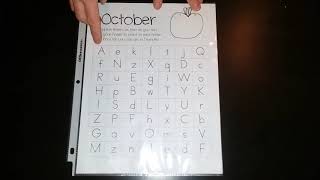
Videos that combine music, animation, and repetition can turn practice into a fun experience. Use this video as a fun and engaging way to have young kids practice letter names while they sing along. When you share the clip, remember to add a call‑to‑action: Please LIKE this video and subscribe for more!
4. Game‑Based Learning
Games create a low‑stakes environment where mistakes are part of the fun. Popular formats include:
- Letter Bingo: Call out a letter name; students cover the matching letter on their board.
- Speed Match: Place letter cards face down; students flip two at a time, naming each before checking for a match.
- Scavenger Hunt: Hide letter cards around the classroom; children retrieve a card, say its name, and place it on a master alphabet chart.
5. Flashcard Drills with Immediate Feedback
Traditional flashcards remain effective when paired with quick, specific feedback. After a student names a letter, confirm correctness and, if needed, model the correct pronunciation. Consistent feedback helps solidify neural pathways.
Integrating Practice Into the Classroom Routine
To make fluency practice sustainable, embed it into existing structures:
- Morning Circle: Begin with a rapid “letter of the day” round.
- Transition Times: Use line‑up or bathroom breaks for quick “name‑that‑letter” challenges.
- Literacy Centers: Set up a station with a tablet playing the recommended video and a stack of letter tiles.
These micro‑moments add up, providing dozens of repetitions each week without sacrificing instructional time.
Monitoring Progress and Adjusting Instruction
Continuous data collection is essential. After each week of practice, retest a small sample of letters using the DIBELS probe or a similar timed task. Look for:
- Improved speed (seconds per letter).
- Fewer errors on previously problematic letters.
- Increased confidence during whole‑class reading activities.
If progress stalls, consider intensifying the intervention: increase daily repetitions, add a new game, or provide one‑on‑one tutoring.
Resources for Teachers and Parents
Below are a few free or low‑cost tools that align with the strategies discussed:
- DIBELS 8th Edition: Comprehensive assessment and progress‑monitoring suite.
- Alphabet Song Videos: Search for “letter name fluency practice” on YouTube; many creators include subtitles for visual reinforcement.
- Printable Flashcards: Websites such as Teachers Pay Teachers and Education.com offer printable sets that can be customized.
- Interactive Apps: Apps like “Starfall ABCs” and “ABCmouse” provide gamified letter‑naming activities.
When sharing any video, always include the friendly reminder: Please LIKE this video and subscribe for more! This not only supports the creator but also signals to families that additional resources are available.
Conclusion
Letter name fluency is more than a rote skill; it is the gateway to decoding, comprehension, and lifelong reading enjoyment. By identifying students who score low in retrieving letter names, providing short, multi‑sensory practice sessions, and leveraging engaging video content, educators can close the fluency gap early. Consistent monitoring, combined with fun, game‑based reinforcement, ensures that every child gains the confidence and speed needed to become a proficient reader.
Start today: choose a quick warm‑up, play the recommended video, and remember to Please LIKE this video and subscribe for more! Your commitment to regular letter naming fluency practice will pay dividends throughout each child’s academic journey.