What Is a Morning Routine Visual Schedule?
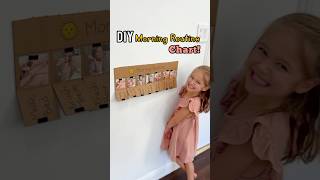
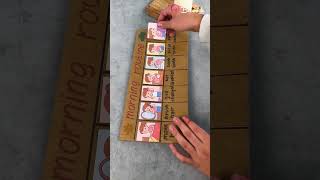
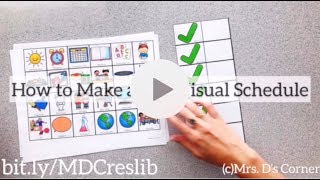
A morning routine visual schedule is a series of pictures, icons, or short text blocks arranged in the order in which tasks should be completed. By turning abstract steps—such as “brush teeth” or “get dressed”—into concrete visual cues, the schedule reduces the cognitive load for children (and adults) with ADHD, autism, or sensory sensitivities. The result is a clearer, calmer start to the day.
Why Visual Schedules Work for Neurodivergent Learners
Research from neurobiology professor Andrew Huberman, Ph.D. shows that predictable visual cues activate the brain’s prefrontal networks, which helps regulate attention and anxiety. When a child can see the entire sequence of a morning, the brain can anticipate the next step, lowering the stress response that often leads to overwhelm.
Paediatric physiotherapist James Dowton emphasizes that visual schedules also support motor planning. By pairing a picture with a movement (e.g., a shoe icon with the act of putting on shoes), the child practices the neural pathways needed for smooth transitions.
Key Elements of an Effective Morning Visual Schedule
- Clarity: Use high‑contrast images or simple line drawings that can be recognized at a glance.
- Sequence: Arrange steps in the exact order they should occur, from waking up to leaving the house.
- Portability: Place the schedule where the child can see it—on the bedroom wall, the bathroom mirror, or a magnetic board.
- Flexibility: Include optional “break” icons for moments when the child needs a sensory pause.
- Positive Language: Phrase each step positively (e.g., “Put on socks” rather than “Don’t forget socks”).
How to Build a Morning Routine Visual Schedule
- Identify Core Tasks – List every activity needed before leaving home: wake up, bathroom, dress, breakfast, pack bag, etc.
- Select Visuals – Choose photos of the child performing each task, or use universal symbols from a reputable autism visual schedule set.
- Chunk Into Mini‑Routines – Group related steps (e.g., “Bathroom Routine” = toilet → wash hands → brush teeth). This mirrors the “mini routines and rhythms” strategy recommended by ADHD coach Hayley, who notes that smaller chunks increase adherence.
- Add Timing Cues – Optional clocks or timers can help a child gauge how long each step should take, supporting time‑management skills.
- Lamination & Placement – Laminate each card for durability and attach them with Velcro or magnets so they can be moved as needed.
- Practice and Refine – Run through the schedule daily for at least two weeks. Adjust images or order based on the child’s feedback and observed challenges.