Introduction to Plant and Animal Cells
Plant and animal cells are the building blocks of life, and understanding their structure and function is essential for any student of biology. Eukaryotic cells can be subdivided into two main categories: plant cells and animal cells. While both types of cells share some similarities, they also have some key differences. In this article, we will explore the similarities and differences between plant and animal cells using a Plant Animal Cell Venn Diagram.
What is a Venn Diagram?
A Venn diagram is a graphical representation of the relationships between two or more sets. It consists of overlapping circles, with each circle representing a set. The overlapping area represents the elements that are common to both sets. In the case of a Plant Animal Cell Venn Diagram, the two sets are plant cells and animal cells. By using a Venn diagram, we can visualize the similarities and differences between these two types of cells.
Similarities between Plant and Animal Cells
Despite their differences, plant and animal cells share many similarities. Both types of cells are eukaryotic, meaning that they have a true nucleus and other membrane-bound organelles. Some of the key similarities between plant and animal cells include:
- Cell membrane: Both plant and animal cells have a cell membrane, which is a thin layer of lipid and protein molecules that surrounds the cell and regulates the movement of materials in and out.
- Cytoplasm: Both types of cells have cytoplasm, which is a jelly-like substance that fills the cell and provides a medium for chemical reactions to occur.
- Mitochondria: Both plant and animal cells have mitochondria, which are organelles that generate energy for the cell through cellular respiration.
- Endoplasmic reticulum: Both types of cells have an endoplasmic reticulum, which is a network of membranous tubules and flattened sacs that is involved in protein synthesis and transport.
Differences between Plant and Animal Cells
Now let's get to the differences between plant and animal cells. Some of the key differences include:
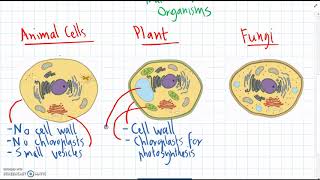
- Cell wall: Plant cells have a rigid cell wall that provides support and protection, while animal cells do not have a cell wall.
- Chloroplasts: Plant cells have chloroplasts, which are organelles that are responsible for photosynthesis, while animal cells do not have chloroplasts.
- Vacuoles: Plant cells have large vacuoles that are used for storage, while animal cells have smaller vacuoles that are used for digestion and waste removal.
- Lysosomes: Animal cells have lysosomes, which are organelles that contain digestive enzymes, while plant cells do not have lysosomes.
Using a Plant Animal Cell Venn Diagram
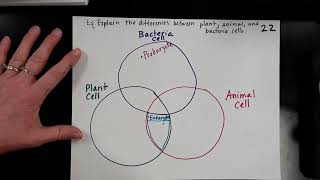
To create a Plant Animal Cell Venn Diagram, start by drawing two overlapping circles, one for plant cells and one for animal cells. In the overlapping area, list the similarities between the two types of cells, such as cell membrane, cytoplasm, mitochondria, and endoplasmic reticulum. In the non-overlapping areas, list the differences between the two types of cells, such as cell wall, chloroplasts, vacuoles, and lysosomes. By using a Venn diagram, you can visualize the relationships between plant and animal cells and better understand their similarities and differences.
Conclusion
In conclusion, plant and animal cells are both eukaryotic cells that share some similarities, but also have some key differences. By using a Plant Animal Cell Venn Diagram, you can visualize the relationships between these two types of cells and better understand their structure and function. We hope you enjoyed this overview of plant and animal cells. If you have any questions, please ask. This video contains an overview of the organelles found in plant and animal cells, and is suitable for a 3rd