Preschool Self Portrait: A Creative Journey for Young Learners
Creating a self portrait is more than just a fun art activity; it is a powerful tool that helps preschool and first‑grade children explore identity, develop fine motor skills, and build confidence. When a child looks at their own likeness on paper, they begin to understand “who they are” in a visual and tactile way. This article outlines two engaging methods for crafting self portraits, integrates a nature‑based sensory activity, and offers practical classroom tips for teachers and caregivers.
Why Self Portraits Matter in Early Childhood
Research shows that children who regularly engage in reflective art activities develop stronger self‑awareness and communication abilities. Self portrait projects encourage:
- Recognition of facial features and emotions.
- Practice of hand‑eye coordination through drawing, cutting, and gluing.
- Language development as children describe colors, shapes, and feelings.
For preschoolers transitioning to first grade, these skills create a solid foundation for more complex academic tasks.
Materials You’ll Need
Gather the following supplies before the lesson begins. All items are safe for young children and can be found in most classroom art kits.
- Large white construction paper or cardstock.
- Non‑toxic crayons, washable markers, and tempera paints.
- Mirror (small handheld or wall‑mounted).
- Nature‑based sensory materials: dried leaves, pine cones, twine, and sand.
- Scissors with rounded tips and child‑friendly glue sticks.
Method One: Mirror‑Guided Drawing
Step‑by‑Step Process
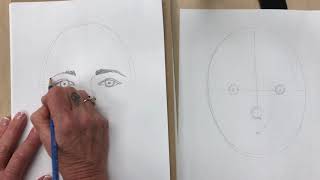
This classic approach helps children accurately capture their own features while fostering observation skills.
- Set up a mirror station. Place a small mirror at eye level for each child.
- Ask the child to describe what they see. Prompt with questions like “What color are your eyes?” or “Where is your nose?”
- Guide them to sketch the basic shape of their face using a light crayon line.
- Encourage adding details—hair, ears, and favorite accessories—while referring back to the mirror.
- Finish the portrait with vivid colors using markers or paints.
When a coworker asked for assistance with an AM activity, this method proved effective because it requires minimal setup and can be adapted for varying skill levels.
Method Two: Nature Collage Self Portrait
Integrating Sensory Exploration
Combining art with a nature‑based sensory activity deepens engagement and supports kinesthetic learners. The Art Crew at