Printable First‑Then Boards: A Quick Guide for Parents and Educators
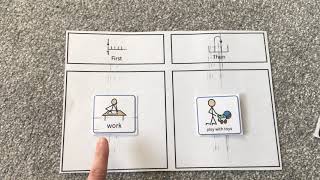
Printable First‑Then boards are simple, visual tools that help children—especially those with autism or other communication challenges—understand the sequence of activities and the reward that follows. By placing a clear “first” task next to a “then” reward, the board reduces anxiety, promotes independence, and supports behavior management in schools and homes.
Why Use a Printable First‑Then Board?
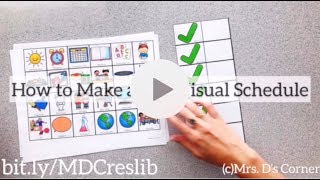
Visual schedules are an evidence‑based strategy that can:
- Clarify expectations – Children see what comes next.
- Reduce frustration – Knowing the sequence lowers the chance of meltdowns.
- Encourage task completion – The reward motivates the child to finish the “first” step.
- Support communication – Visuals provide a shared language for parents, teachers, and therapists.
Getting Started: Materials You’ll Need
All you need is a few simple items:
- Printable First‑Then template (available online or created in a word processor).
- Scissors or a paper cutter.
- Clear adhesive or double‑sided tape.
- Optional: Laminator or clear sheet protectors.
- Color markers or stickers for personalization.
Step‑by‑Step: How to Make a First‑Then Board
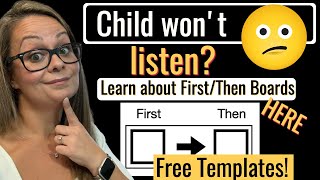
- Choose a Template – Start with a basic two‑column layout. The left column is “First” and the right column is “Then.” You can find free templates on educational resource sites or create your own in a spreadsheet program.
- Select Tasks and Rewards – For each task, write a short phrase in the “First” column (e.g., “Brush teeth”). In the “Then” column, write the immediate reward (e.g., “Play 10 minutes”). Keep the language simple and consistent.
- Print and Cut – Print the board on sturdy paper. Cut out each pair of “First” and “Then” cards if you prefer a card format. Otherwise, keep the board as a single sheet.
- Lamination (Optional) – Laminating the board or placing it in a clear sleeve protects it from wear and tear, especially if it will be handled frequently.
- Personalize – Use stickers, colored markers, or photos to make the board engaging. Visuals help children match the task with the reward more easily.
- Place in a Visible Spot – Hang the board where the child can see it during the activity, such as near the bathroom for toileting or on the fridge for meal prep.