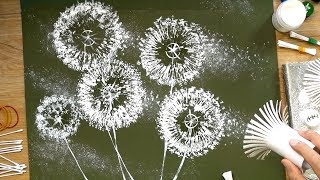
Q Tip Painting Template: A Simple Way to Create Miniature Floral Art
If you’re searching for a quick, low‑mess method to explore watercolor‑style effects, the Q Tip painting template is an ideal entry point. By using cotton swabs as tiny brushes and a pre‑cut template, you can produce delicate lilac blossoms, abstract foliage, or even miniature still‑life scenes in under an hour. This technique is perfect for beginners, kids, or anyone looking to add a creative spark to a rainy afternoon.
What You Need to Get Started
All of the supplies listed below are optional, but they make the process smoother and the results more vibrant. The links are affiliate URLs; they do not add any cost to you.
- Whole set of acrylic paints – https://amzn.to/3l2qkI2
- Canvas or sturdy paper – 16 × 20 in. works well for larger templates, while a small 8 × 10 in. board is perfect for compact designs.
- Cotton swabs (Q‑Tips) – any standard brand will do; choose a pack with a mix of sizes for varied line work.
- Scissors – to trim the template to the desired shape.
- Masking tape or a low‑tack adhesive – to secure the template to the surface.
- Water container and paper towels – for rinsing swabs between colors.
How a Q Tip Painting Template Works
The concept is straightforward: you cut a shape out of a thin sheet of cardstock or plastic, place it on your canvas, and use the exposed area as a “window” for painting with Q‑Tips. By moving the swab across the open space, you create soft, feather‑like strokes that mimic the look of traditional brushwork. The template also serves as a guide, helping you keep proportions consistent even if you are new to drawing.
Step‑by‑Step Guide
- Choose a design. Simple floral motifs, such as lilac buds in a mason jar, work best for beginners. Download a free outline from the project site or sketch your own.
- Prepare the template. Print the outline on cardstock, then cut out the negative space with scissors or a craft knife. The cutout will be the area where paint will appear.
- Secure the template. Apply a strip of masking tape around the edges of the template, pressing it gently onto the canvas to prevent slipping.