What Makes a Rectangle a Rectangle?
In geometry, a rectangle is a four‑sided figure with opposite sides equal and all interior angles measuring 90°. While this definition sounds abstract, rectangles are everywhere in the world around us. From the screen you’re reading this on to the floor tiles in your kitchen, recognizing rectangles helps you solve everyday problems such as measuring space, estimating material needs, and designing layouts.
Everyday Examples of Real Life Rectangles
Seeing rectangles in the real world is almost effortless. Below are some common places where they appear:
- Architecture: Doorways, windows, and room walls are typically rectangular because this shape is easy to construct and maximizes usable space.
- Technology: Computer monitors, smartphones, and television screens all have rectangular displays, allowing for uniform pixel grids.
- Packaging: Boxes, books, and many food containers use rectangles to simplify stacking and shipping.
- Transportation: Road signs, parking spaces, and even the cross‑section of many bridges are designed as rectangles for clear visibility and efficient use of area.
- Sports: Playing fields such as basketball courts and tennis courts are defined by rectangular boundaries to standardize dimensions.
Why the Area of a Rectangle Matters
One of the most useful properties of a rectangle is its area, calculated by multiplying length by width (Area = length × width). Knowing the area in real life helps you:
- Determine how much paint, carpet, or flooring material you need for a room.
- Calculate the capacity of a storage container or the amount of fabric required for a rectangular tablecloth.
- Estimate the cost of construction projects, since many materials are priced per square foot or meter.
Accurate area calculations also prevent waste, saving both money and resources.
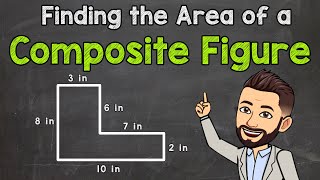
Finding the Area of Composite Figures
Often, the spaces you need to measure are not perfect rectangles but a combination of several shapes. The technique of breaking a complex figure into simpler rectangles (and sometimes triangles or circles) makes the problem manageable. Here’s a step‑by‑step approach you can use:
- Sketch the figure: Draw a clear outline and label all known dimensions.
- Identify rectangles: Look for sections that form right angles and have opposite sides equal.
- Measure each rectangle: Write down the length and width for every identified rectangle.
- Calculate individual areas: Use