Reptiles Life Cycle: From Egg to Adult
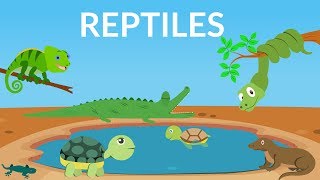
Have you ever heard the word “metamorphosis” and wondered if it applies to reptiles? While many amphibians undergo dramatic transformations, most reptiles follow a more subtle but equally fascinating life cycle that begins with an egg and ends with a mature, fully functional adult. In this article we will explore the stages of the reptile life cycle, highlight key differences among major groups, and provide practical tips for anyone interested in observing or caring for these remarkable creatures.
1. Egg Laying and Incubation
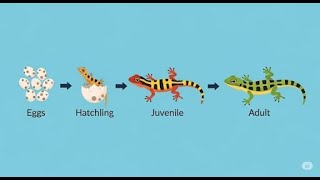
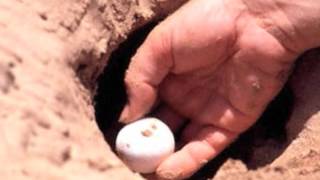
For the majority of reptiles—turtles, snakes, lizards, and crocodilians—the life cycle starts with a hard‑shelled or leathery egg. The female selects a nest site that offers the right temperature, humidity, and protection from predators. In many species, temperature during incubation determines the sex of the offspring, a phenomenon known as temperature‑dependent sex determination (TSD). For example, in many turtles, warmer nests produce females while cooler nests yield males.
- Temperature control: In the wild, the sun’s heat, shade, and soil composition create a natural incubator. In captivity, incubators must be calibrated to mimic these conditions, typically ranging from 26 °C to 32 °C depending on the species.
- Incubation period: This can vary widely—sea turtle eggs may take 45‑70 days, whereas some crocodile eggs require up to 90 days.
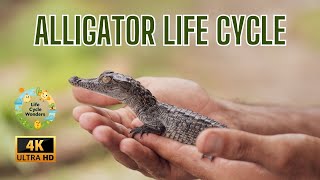
- Egg protection: Many reptiles, such as the American alligator, build mound nests using vegetation that releases heat as it decomposes, further stabilizing temperature.
2. Hatching and Early Development
When the embryo is fully developed, it uses a specialized egg tooth to break through the shell. The moment of hatching is critical; the newborn must quickly locate water, avoid predators, and find shelter. In species like the mourning gecko, hatchlings are already equipped with the ability to cling to surfaces and hunt tiny insects.
I set myself the task of bonding with a baby mourning gecko. I found out her favourite food, helped her feel calm around me, and observed how quickly she learned to navigate her enclosure. This hands‑on experience illustrates how even the youngest reptiles possess instinctual survival skills.
3. Growth and Juvenile Stage
After hatching, reptiles enter a rapid growth phase. Their diet shifts from yolk reserves to external food sources. Lizards and snakes typically increase in size by shedding their skin—a process called ecdysis. Each shed removes a layer of old skin, allowing for new growth and often revealing brighter coloration.
- Feeding habits: Juvenile lizards often consume a higher proportion of protein (insects) compared to adults, which may incorporate more plant matter.
- Habitat use: Young reptiles tend to stay in sheltered microhabitats—under leaf litter, in burrows, or among low vegetation—to reduce predation risk.
- Growth rate: Growth is influenced by temperature, food availability, and genetics. In optimal conditions, some snakes can double their length within a single year.
4. Sexual Maturity and Reproduction
Reaching sexual maturity marks the final major milestone in the reptile life cycle. The age at which this occurs varies dramatically: some small lizards become fertile within six months, while large crocodilians may not reproduce until they are 10‑12 years old.
For today’s topic, we are going to talk about “The Secret Life of Snakes • 2016,” a documentary that showcases how snakes locate mates, engage in courtship rituals, and use pheromones to signal readiness. Understanding these behaviors helps researchers and hobbyists alike to provide appropriate breeding environments.
5. Longevity and Life Span
Reptiles are known for their impressive lifespans. Many turtles live for several decades, with some individuals surpassing 100 years. Crocodilians can also live 70 years or more in the wild. Longevity is closely linked to slow metabolism, efficient energy use, and protective shells or armor.
While the life cycle stages remain consistent, the duration of each stage can be extended in long‑lived species. For instance, a sea turtle may spend 20‑30 years maturing before returning to the beach where it hatched to lay its own eggs—a remarkable example of natal homing.
6. Conservation Implications
Understanding the reptile life cycle is essential for effective conservation. Protecting nesting beaches, preserving temperature‑stable habitats, and preventing illegal collection are all strategies that directly support each stage of development. Programs such as Patreon – FreeSchool help fund educational content that raises awareness about these critical issues.
- Habitat protection: Safeguarding nesting sites ensures successful incubation and balanced sex ratios.
- Captive breeding: Carefully managed breeding programs can supplement wild populations, especially for critically endangered species like the Javan rhinoceros lizard.
- Public education: Engaging the public through documentaries, articles, and community events encourages stewardship of reptile habitats.
7. Fascinating Examples Across the Reptile World
Below are a few standout examples that illustrate the diversity of reptile life cycles:
- Chameleons of the World: These color‑changing lizards undergo a relatively short egg stage but spend many years as juveniles, gradually acquiring the ability to change hue for communication and camouflage.
- Jurassic World: Age of Reptiles: While a fictional portrayal, the film highlights how ancient reptiles, such as dinosaurs, likely shared many life‑cycle traits with modern reptiles—egg laying, rapid juvenile growth, and long adult lifespans.
- Sea Turtles: After a lengthy oceanic “lost years” phase, hatchlings return to shore to nest, completing a life cycle that spans continents.
Key Takeaways
The reptile life cycle is a seamless progression from egg to adult, shaped by temperature, nutrition, and habitat. By learning about each stage—incubation, hatching, juvenile growth, sexual maturity, and longevity—we gain insight into the ecological roles reptiles play and the challenges they face. Whether you are a hobbyist, researcher, or simply a nature enthusiast, appreciating these cycles helps foster a deeper respect for the ancient and resilient lineage of reptiles.