Retell Anchor Chart: A Practical Tool for Second‑Grade Story Understanding
Hi second graders, we are going to learn what it means to retell a story in a way that shows we truly grasp the plot, characters, and key details. A Retell Anchor Chart is a visual guide that helps students organize their thoughts and remember the steps of a good retell. This article explains how to create, use, and adapt the chart so every child can succeed.
What Is a Retell Anchor Chart?
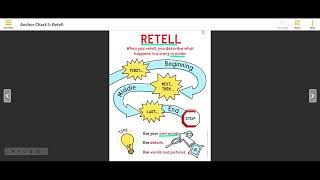
A Retell Anchor Chart is a classroom poster or digital graphic that outlines the essential elements of a story retelling. It typically includes:
- Beginning: Setting the scene, main characters, and problem.
- Middle: Actions that move the plot forward and show conflict.
- End: Resolution and the outcome of the conflict.
- Key Details: Important facts, dialogue, or images that support the retell.
Students refer to the chart to structure their spoken or written retell, ensuring they cover all parts of the narrative.
Why Use a Retell Anchor Chart?
- Promotes comprehension by breaking the story into manageable sections.
- Supports language development through repeated practice of sequencing and vocabulary.
- Provides visual scaffolding for students who struggle with writing or reading.
- Encourages self‑assessment as students check off each element after they retell.
Creating a Retell Anchor Chart
Follow these steps to build a chart that fits your classroom needs:
- Choose a format: A large poster, a digital slide, or an interactive whiteboard page.
- Design clear sections: Use bold headings and simple icons for each part of the story.
- Include prompts: Add short questions or keywords that remind students what to include.
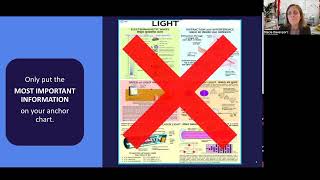
- Keep it concise: Aim for 3–4 lines per section so students can quickly glance.
Example layout:
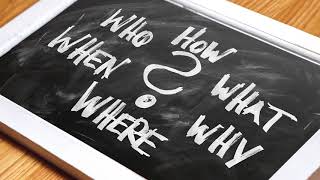
- Beginning – Who? What? Where?
- Middle – What happens? Why?
- End – How does it finish? What did we learn?
- Details – Key facts or quotes
Implementing the Chart in the Classroom
Integrate the chart into daily reading routines:
- After a read‑aloud, ask students to point to the Beginning section and share what they remember.