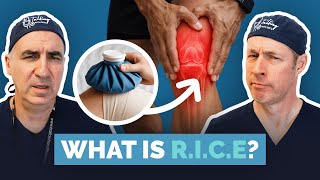
RICE Advice for Injury Recovery: A Practical Guide
When an accident lands you with an ankle sprain, a knee twist, or any acute joint injury, the first steps you take can determine how quickly you return to normal activity. The RICE protocol—Rest, Ice, Compression, and Elevation—remains one of the most widely recommended methods for managing recent injuries. Below, doctors break down each component, explain how to apply it correctly, and address common questions about when and how to use RICE.
What Is the RICE Method?
RICE is an acronym that summarizes four simple, low‑cost measures designed to reduce swelling, limit pain, and protect injured tissue during the first 24‑72 hours after trauma. It is especially effective for:
- Minor ankle sprains
- Knee ligament strains
- Contusions (bruises)
- Minor muscle tears
While RICE does not replace professional medical evaluation, it provides an immediate, evidence‑based approach that can improve comfort and support the body’s natural healing processes.
How to Treat an Acute Injury with RICE
1. Rest
Give the injured area a break from weight‑bearing or repetitive motion. Rest helps prevent further damage and reduces the metabolic demand on inflamed tissues. For ankle or knee injuries, consider using crutches or a temporary splint if walking aggravates pain.
2. Ice
Apply a cold pack or a bag of frozen peas wrapped in a thin towel to the affected area for 15–20 minutes every 2–3 hours. Cold therapy works by:
- Constricting blood vessels, which limits swelling
- Decreasing nerve conduction speed, which lowers pain perception
Do not place ice directly on the skin, and avoid prolonged exposure that can cause frostbite.
3. Compression
Use an elastic bandage or a compression sleeve to apply gentle, uniform pressure. Proper compression should:
- Start at the distal end of the limb and work upward.
- Be snug but not so tight that it restricts circulation—watch for numbness or a change in skin color.
- Be maintained for several days, especially while sleeping, to keep swelling under control.
4. Elevation
Raise the injured limb above heart level whenever possible. Elevation encourages venous return and reduces fluid accumulation. Prop the ankle or knee on pillows while seated or lying down, aiming for a 30–45 degree angle.
Should You Still Use RICE After the First 72 Hours?
For many injuries, the most intense swelling subsides within the first three days, but the benefits of RICE can extend beyond that period. Continue gentle icing if swelling returns during activity, and maintain compression during workouts or physical therapy. However, as pain decreases and range of motion improves, you can gradually replace ice with heat therapy to promote blood flow and tissue