Understanding Rubrics for Spanish: A Practical Guide for Teachers and Learners
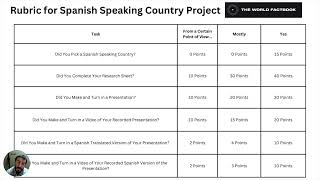
Rubrics are essential tools that make assessment transparent, consistent, and focused on learning goals. In Spanish language classrooms, a well‑crafted rubric clarifies expectations for reading, writing, speaking, and listening tasks, helping students track their progress and giving teachers a reliable way to evaluate performance.
What Is a Rubric?
A rubric is a scoring guide that outlines specific criteria and describes levels of achievement for each criterion. Instead of a single numeric score, a rubric breaks down an assignment into measurable components such as grammar accuracy, vocabulary usage, and pronunciation clarity. This structure:
- Provides clear expectations for students before they begin a task.
- Ensures consistent grading across different teachers and classes.
- Offers actionable feedback that students can use to improve.
Why Spanish Teachers Need Rubrics
Spanish instruction involves multiple language domains that are difficult to assess with a single test score. Rubrics address this complexity by:
- Aligning assessment with curriculum standards. Whether you follow the Common Core, ACTFL, or a local framework, rubrics can be mapped directly to the required competencies.
- Supporting competency‑based education (CBE). In CBE models, mastery of each skill is documented, and rubrics serve as the evidence‑gathering instrument.
- Encouraging self‑assessment. Students can compare their work against the rubric, fostering autonomy and metacognitive awareness.
Key Components of Effective Spanish Rubrics
When designing a rubric for Spanish, keep these elements in mind:
- Clear criteria. Use language‑specific terms such as “uso de tiempos verbales” (verb tense usage) or “fluidez oral” (oral fluency).
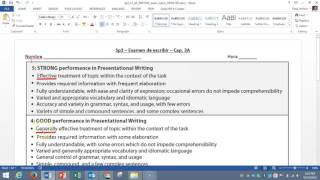
- Descriptive performance levels. Instead of vague labels like “good” or “bad,” provide concrete descriptors (e.g., “Consistently uses correct past tense forms with minor errors”).
- Weighting. Assign more points to higher‑order skills like cultural relevance or argumentative structure if they are central to the assignment.