Introduction to S Clusters
S clusters are a type of consonant cluster in the English language, where the sound /s/ is combined with another consonant. These clusters can be challenging for some individuals to pronounce, especially non-native English speakers or those with speech sound disorders. In this article, we will explore the world of S clusters, providing tips and cues for working on these sounds.
What are S Clusters?
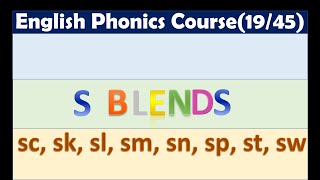
S clusters are consonant clusters that start with the sound /s/ and are followed by another consonant, such as /p/, /t/, /k/, /m/, or /n/. Examples of S clusters include /sp/, /st/, /sk/, /sm/, and /sn/. These clusters can be found in many English words, such as "spin", "stick", "sky", "smile", and "snake".
Common Challenges with S Clusters
Some individuals may struggle with pronouncing S clusters, particularly if they are non-native English speakers or have speech sound disorders. One common challenge is deleting either the first or second part of the cluster. For example, saying "pin" instead of "spin" or "tick" instead of "stick". This can affect the overall clarity and intelligibility of their speech.
Tips for Working on S Clusters
To improve pronunciation of S clusters, it's essential to practice regularly and focus on the correct formation of the sounds. Here are some tips to get you started:
- Start by practicing the individual sounds in isolation, such as /s/ and /p/ or /s/ and /t/.
- Gradually combine the sounds to form the cluster, such as /sp/ or /st/.
- Use words that contain the S cluster, such as "spin" or "stick", to practice the sound in context.
- Record yourself speaking and listen to the playback to identify areas for improvement.
Resources for Practicing S Clusters
There are many resources available to help you practice S clusters, including video worksheets and online tutorials. For example, you can download Speech Sound Video Worksheets to accompany free videos and practice the sounds in a fun and engaging way. Additionally, you can subscribe to online channels or websites that provide tutorials and tips on how to correctly form the S cluster sounds.
ESL Considerations
For non-native English speakers, particularly those who are native Spanish or Portuguese speakers, S clusters can be especially challenging. This is because these languages often have different consonant cluster patterns, and the /s/ sound may be pronounced differently. However, with practice and dedication, it's possible to master the S cluster sounds and improve overall pronunciation.
Conclusion
In conclusion, S clusters are an essential part of the English language, and mastering these sounds can improve overall pronunciation and communication. By practicing regularly, using resources such as video worksheets and online tutorials, and focusing on correct formation of the sounds, individuals can overcome common challenges and achieve clear and intelligible speech. Whether you're a speech-language pathologist, a teacher, or an individual looking to improve your pronunciation, we hope this article has provided you with helpful tips and cues for working on S clusters.
To learn more about S clusters and other speech sounds, be sure to check out our other articles and resources. And don't forget to subscribe to our channel for more tutorials and tips on how to correctly form the S cluster sounds and other consonant clusters.