What Is the Sed Rate (Erythrocyte Sedimentation Rate)?
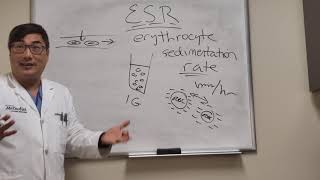
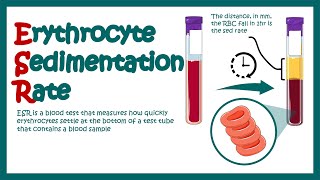
The sed rate, medically known as the erythrocyte sedimentation rate (ESR), is a common blood test that measures how quickly red blood cells settle at the bottom of a test tube over the course of one hour. When inflammation is present in the body, certain proteins cause red blood cells to clump together and fall more rapidly. The test result is reported in millimeters per hour (mm/hr), reflecting the distance the red cells have descended. While not specific to any single condition, the sed rate serves as a broad screening tool to detect and monitor inflammation.
Normal Range for Sed Rate
Normal sed rate values can vary based on age, sex, and laboratory standards. In general, for adults:
- Men under 50 years: 0–15 mm/hr
- Women under 50 years: 0–20 mm/hr
- Men over 50 years: 0–20 mm/hr
- Women over 50 years: 0–30 mm/hr
These ranges can increase slightly with age. A sed rate of 26 mm/hr is considered mildly elevated, particularly in younger adults, but must always be interpreted in the context of overall health and other lab findings.
What Does a Sed Rate of 26 mm/hr Indicate?
A sed rate of 26 mm/hr falls just above the upper limit of normal for many younger adults, especially men. Such a mild elevation does not diagnose a specific disease; rather, it signals that there is some low-grade inflammation or an underlying process that warrants further investigation. Possible scenarios include:
- Infection: Even minor infections like a respiratory tract infection or urinary tract infection can cause a modest rise.
- Autoimmune conditions: Disorders such as rheumatoid arthritis, lupus, or vasculitis may present with elevated sed rates, though typically the elevation is more pronounced (often >50 mm/hr).
- Inflammatory diseases: Conditions like inflammatory bowel disease, temporal arteritis, or polymyalgia rheumatica can increase ESR.
- Anemia: Anemia, especially iron deficiency, can elevate sed rate.
- Pregnancy: ESR naturally rises




![[ENG SUB] Erythrocyte sedimentation rate](https://i.ytimg.com/vi/IiVgDgIi0Bk/mqdefault.jpg)