Severe High Temperature Warning Italy: What You Need to Know
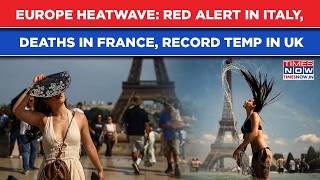
As a record-breaking heatwave across Europe is affecting millions, Italy finds itself under a Severe High Temperature Warning. The unprecedented rise in temperatures has triggered red alerts for both residents and tourists, prompting authorities to take swift action. This article explains the causes of the heatwave, its impact on daily life, and the measures being taken to protect public health.
Why the Heatwave Is Unusual
The current European heatwave is driven by a combination of atmospheric patterns, including a persistent high‑pressure ridge over the continent and warmer sea surface temperatures in the Mediterranean. These conditions trap hot air, leading to prolonged periods of extreme heat. Climate models have shown an increasing likelihood of such events, but the intensity observed this summer exceeds typical forecasts.
Geographic Scope of the Warning
The Severe High Temperature Warning Italy covers most of the peninsula, from the Alpine north to the southern islands of Sicily and Sardinia. Coastal cities such as Rome, Naples, and Palermo are experiencing temperatures above 38 °C (100 °F), while inland areas report even higher readings. The warning is part of a broader European alert system that classifies heat events into green, yellow, orange, and red levels; Italy is currently at the red level.
Impact on Residents and Tourists
Residents and tourists are being put on red alerts, meaning that immediate precautions are required to avoid heat‑related illnesses. The following effects have been reported:
- Health risks: Increased cases of dehydration, heat exhaustion, and heatstroke, especially among the elderly, children, and people with chronic conditions.
- Infrastructure strain: Power grids are under pressure from high air‑conditioning demand, leading to occasional outages.
- Water scarcity: Municipal water supplies are being rationed in some regions to preserve reserves.
- Travel disruptions: Train and flight schedules are adjusted to avoid overheating of equipment and ensure passenger safety.
Government and Local Authority Response
The Italian government, in coordination with regional health agencies, has activated emergency protocols:
- Public communication: Continuous updates are broadcast via television, radio, and mobile alerts, advising citizens on safe practices.
- Cooling centers: Municipal buildings, libraries, and sports halls are opened as free air‑conditioned shelters, especially for vulnerable populations.
- Medical preparedness: Hospitals and emergency services have increased staffing and stocked additional cooling equipment.
- Work