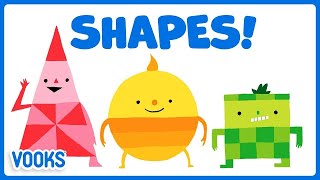
Shapes For First Graders: A Fun Guide to Learning 2D Geometry
Understanding basic shapes is one of the first milestones in a child’s math journey. For first‑grade students, recognizing circles, squares, triangles, rectangles, and ovals lays the groundwork for later concepts such as area, perimeter, and spatial reasoning. This article explains why shape knowledge is essential, highlights the most common 2D shapes, and offers engaging teaching tools—including a catchy song and an educational video—to keep young learners excited.
Why Shapes Matter in First Grade
First graders are at a developmental stage where visual‑spatial skills are rapidly expanding. Mastering shapes helps them:
- Develop language skills by learning shape names and describing objects.
- Build problem‑solving abilities through puzzles and classification activities.
- Connect math to the real world by identifying shapes in everyday items such as doors, plates, and traffic signs.
Research shows that early exposure to geometry improves later performance in both math and science. Therefore, incorporating shape lessons into daily routines is a smart investment in a child’s academic future.
Common 2D Shapes Every First Grader Should Know
Most curricula focus on five core shapes. Below is a brief description of each, along with everyday examples that help children make connections.
- Circle – A round shape with no corners. Examples: a clock face, a pizza, a coin.
- Square – Four equal sides and four right angles. Examples: a window, a game board, a napkin.
- Rectangle – Opposite sides are equal and all angles are right. Examples: a book, a door, a television screen.
- Triangle – Three sides and three angles. Examples: a slice of cake, a roof, a traffic yield sign.
- Oval (or ellipse) – A stretched circle with two longer sides. Examples: an egg, a racetrack, a mirror.
Teaching these shapes with tangible objects helps children internalize the concepts more quickly than abstract drawings alone.
Engaging Teaching Tools
A Math Video That Captures Attention
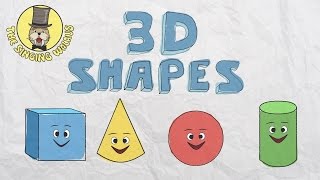
Visual learners benefit greatly from short, colorful videos that demonstrate shapes in action. An educational video for kids can show a character walking through a park, pointing out circles, squares, and triangles in the environment. The video’s narration reinforces shape names while the animation provides clear visual cues. Teachers can pause the video at key moments to ask students to identify the shape on the screen, turning passive watching into active learning.
A Song That Helps Kids Learn Common 2D Shapes
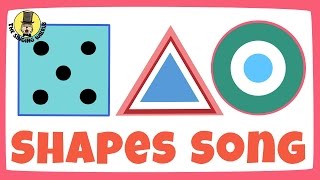
Music is a powerful memory aid. A simple, upbeat song that repeats the names of the five shapes—“Circle, square, rectangle, triangle, oval—let’s name them all!”—helps first graders recall the vocabulary. The rhythm encourages participation; children can clap, stomp, or use hand gestures that mimic each shape (e.g., forming a triangle with their arms). Incorporating the song into daily routines, such as morning circle time, reinforces shape recognition without feeling like a lesson.
Hands‑On Activities and Weekly Printables
Interactive practice solidifies learning. Below are three classroom‑friendly activities that align with the video and song:
- Shape Hunt – Provide a checklist of the five shapes and ask students to find objects around the classroom or at home that match each shape.
- Cut‑and‑Paste Collage – Using pre‑printed shape cutouts, children create a picture by arranging shapes to form a scene, such as a house made of squares and triangles.
- Shape Sorting – Mix a variety of shape cards and have students sort them into groups, discussing why each belongs in its category.
Weekly printable worksheets, available through a subscription service, give parents and teachers fresh material to keep practice consistent. Each printable includes a mix of coloring pages, matching games, and simple word problems that incorporate the target shapes.
Subscribe for Unlimited Access to Resources
For families and educators who want a comprehensive, ad‑free learning experience, a subscription to our platform offers:
- Unlimited streaming of all shape‑focused videos, including the featured math video.
- Weekly downloadable printables that align with the current curriculum.
- Access to exclusive songs and interactive games designed for first‑grade learners.
- Early notification of new content releases, ensuring you stay ahead of the school year’s topics.
Choose the plan that fits your needs: $3.99 USD monthly or $39.99 USD yearly. Both options remove advertisements and provide a seamless learning environment for children.
Tips for Parents and Teachers
To maximize the impact of shape lessons, consider the following strategies:
- Integrate shapes into daily conversation. When cooking, point out the circular shape of a pan or the rectangular shape of a cutting board.
- Use technology wisely. Play the shape video or song during screen time, then discuss what was seen or heard.
- Encourage creative expression. Let children draw or build with blocks, emphasizing the shapes they use.
- Provide positive feedback. Celebrate correct identification to build confidence and motivation.
Conclusion
Mastering basic 2D shapes is a cornerstone of first‑grade mathematics. By combining visual media, music, hands‑on activities, and consistent practice through printable resources, educators can create a rich, enjoyable learning experience. Subscribing to a dedicated educational platform ensures that families have continuous access to high‑quality videos, songs, and worksheets—all designed to help first graders become confident shape experts.