Steal For Characterization: A Practical Guide for Authors
Steal is an acronym that helps writers break down the essential elements of a character. By focusing on the five key components—Speech, Thoughts, Effects, Actions, and Looks—authors can create vivid, memorable personalities that resonate with readers.
What Is the STEAL Method?
The STEAL framework is a shorthand for:
- Speech – How the character talks, word choice, tone, and dialect.
- Thoughts – Inner monologue, motivations, fears, and desires.
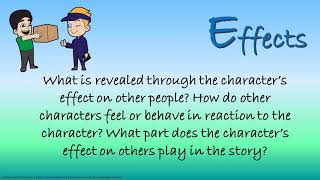
- Effects – How the character influences the environment and other people.
- Actions – Physical behavior, decisions, and reactions in specific situations.
- Looks – Physical appearance, style, and non‑verbal cues.
When these five elements are interwoven, a character becomes a fully realized entity rather than a flat description.
Why STEAL Matters for Memorable Characters
Authors often struggle to make characters feel real. By systematically examining each STEAL component, writers can:
- Ensure consistency across scenes.
- Reveal personality through actions instead of exposition.
- Create conflict by aligning or opposing thoughts and actions.
- Show growth by tracking changes in speech, thoughts, or effects over time.
These techniques keep readers engaged and allow characters to drive the narrative forward.
Using STEAL in Practice
Below is a step‑by‑step approach to applying STEAL to a character sketch or scene.
- Define the Character’s Core Goal: Identify what the character wants, whether it’s love, power, redemption, or knowledge.
- Map Speech: Write a short dialogue sample that reflects the character’s voice. Use distinct diction or slang to hint at background.
- Explore Thoughts: Draft a brief internal monologue that reveals motivations or doubts. Consider how this inner world contrasts with outward speech.
- Determine Effects: List at least three ways the character changes the world. Does she inspire courage, spread fear, or alter a social dynamic?
- Plan Actions: Create a scene where the character makes a critical decision. Show the physical and emotional response.
- Describe Looks: Note key visual details—hair color, scars, clothing style—that reinforce personality.
- Integrate: Weave these elements together in a paragraph or scene, letting each aspect inform the others.