Understanding the Subject‑Verb‑Object Sentence Structure
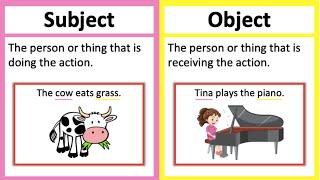
The subject‑verb‑object (SVO) sentence is the most common word order in English. In this pattern, the subject performs an action (verb) that affects an object. Mastering the SVO structure is essential for clear communication, especially for learners who are building simple sentences from scratch.
Why the SVO Order Matters in English Grammar
English speakers rely on the SVO pattern to convey meaning quickly and unambiguously. When the subject, verb, and object appear in the expected order, listeners can identify who is doing what without extra context. This predictable structure also helps learners of English understand how sentences are formed, making it easier to read, write, and speak with confidence.
How to Build Simple SVO Sentences
Creating a basic SVO sentence involves three steps:
- Choose a subject. The subject is usually a noun or pronoun that represents a person, animal, thing, or idea.
- Select a verb. The verb describes the action, state, or occurrence involving the subject.
- Add an object. The object receives the action of the verb and is typically a noun or pronoun.
When these elements are placed in the order subject → verb → object, the sentence follows the standard English pattern.
Tips for Selecting the Right Verb
- Use a verb that clearly shows the relationship between the subject and object (e.g., eat, read, give, build).
- Consider verb tense to match the time frame you want to express (present, past, future).
- Watch for transitive verbs that require an object; intransitive verbs do not need one (e.g., sleep).
20 Example Sentences with Subject‑Verb‑Object
Below are twenty clear examples that illustrate the SVO pattern. These sentences can be used for practice, teaching, or as a reference when constructing new sentences.
- The cat chased the mouse.
- She reads a novel.
- Teachers assign homework daily.
- John bought a new bicycle.
- We watched the sunrise together.
- My brother fixed the broken lamp.
- Scientists study climate change.
- The chef prepared a delicious meal.
- Children love ice cream.
- They built a treehouse last summer.
- Emma sent an email to her professor.
- Dogs chase balls at the park.
- Our team won the championship.
- The artist


![What is Subject, Verb, Object, Complement, Modifier: Grammatical Functions [basic English grammar]](https://i.ytimg.com/vi/vSBATq2KvjQ/mqdefault.jpg)