Table Tennis Felix Lebrun Training: An Inside Look
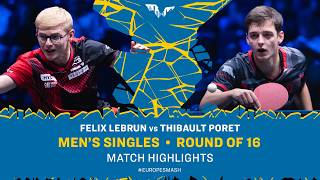
Felix Lebrun, the French prodigy who burst onto the international scene in his mid‑teens, has become a regular fixture at World Table Tennis (WTT) events. His rapid rise has sparked curiosity about the training regimen that underpins his speed, spin, and tactical maturity. While Lebrun keeps many details private, behind‑the‑scenes footage from tournaments such as the WTT Singapore Smash and WTT Champions Chongqing offers glimpses into his preparation.
Early Foundations and Family Influence
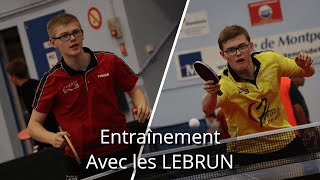
Lebrun grew up in a table‑tennis‑centric household. His older brother, Alexis Lebrun, is also a top‑ranked French player, and the two often train together. Early videos show the brothers engaging in multiball drills, service practice, and quick‑fire rally exercises. This family‑oriented environment helped Felix develop a solid technical base before he entered the senior circuit.
Typical Daily Routine
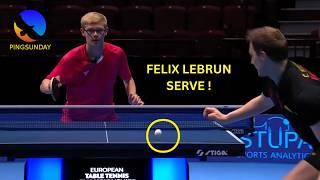
According to training clips released by WTT and shared by Alexis Zikria on his YouTube channel, a typical day for Felix begins with a dynamic warm‑up that includes jogging, shoulder mobility work, and light foot‑ladder exercises. The on‑court segment usually starts with 20‑30 minutes of multiball feeding, focusing on consistency and placement. Afterward, he moves to service drills, practicing a variety of spins and speeds to keep opponents guessing.
The midday session often consists of match‑play simulations against sparring partners of differing styles. These practice matches are recorded and reviewed later, allowing Felix and his coaches to identify patterns in his footwork and shot selection. Cool‑down routines involve static stretching and foam rolling to maintain flexibility and reduce injury risk.
Technical Emphasis: Speed and Spin
One of the most noticeable aspects of Lebrun’s game is his ability to generate heavy topspin while maintaining exceptional racket speed. Training footage highlights his focus on wrist snap and forearm acceleration during forehand loops. Coaches emphasize a relaxed grip during the backswing, followed by a rapid acceleration through contact. This technique enables