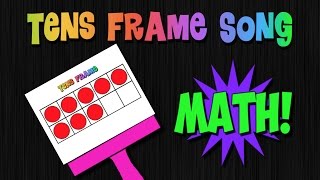
What Are Ten Frames?
Ten frames are simple, two‑row grids with ten slots that help young learners visualize numbers and perform basic arithmetic. Each slot can hold a small object, a sticker, or a dot, making abstract concepts concrete. Ten frames are widely used in early math instruction because they support counting, place value understanding, and addition and subtraction skills.
The Basics of Ten Frame Design
A classic ten frame looks like this:
- Two rows of five slots each.
- Slots are often drawn as squares or circles.
- Teachers and students can fill the slots with beans, stickers, or digital icons.
Because the frame is limited to ten slots, it naturally encourages children to think in groups of ten, reinforcing the concept of the decimal system.
Using Ten Frames for Addition
When adding two numbers, students can place the first number of objects in the ten frame and then add the second number. If the frame overflows, they can carry over to a new frame, mirroring the process used in written addition.
Step‑by‑Step Guide to Adding with Ten Frames
- Draw the first ten frame. Fill it with the first addend.
- Draw a second ten frame. Place the second addend in this frame.
- Combine the frames. Count the total objects in both frames.
- If the total exceeds ten, create a new frame for the excess and note the number of frames used.
- State the sum verbally, e.g., “There are two frames and three objects, so the answer is 13.”
This visual method helps students see how numbers combine and how place value works.
Common Mistakes and How to Avoid Them
- Ignoring the overflow rule: Students sometimes add the numbers without moving to a new frame. Remind them that