The History Of Paraguay: From Pre‑Columbian Roots to a Modern Nation
Located in the heart of South America, Paraguay has a history marked by cultural resilience, dramatic demographic shifts, and a distinctive blend of indigenous and European influences. Understanding The History Of Paraguay offers insight into how a small landlocked country forged a unique identity despite enduring some of the continent’s most devastating conflicts.
Pre‑Columbian Foundations
Before the arrival of Europeans, the region was inhabited primarily by the Guaraní people. Their semi‑nomadic lifestyle, based on hunting, fishing, and agriculture, created a network of settlements along the Paraguay River and its tributaries. The Guaraní language spread widely, later becoming one of Paraguay’s two official languages.
- Early societies organized around communal labor and shared resources.
- Craftsmanship of wooden tools and woven baskets reflected a deep connection with the environment.
- Spiritual beliefs centered on nature spirits, a tradition that persists in modern folklore.
Spanish Conquest and the Colonial Era
In 1524, Spanish explorer Juan de Soto entered the Paraguay basin, initiating a period of colonization that would last nearly three centuries. The establishment of Asunción in 1537 marked the birth of the first permanent European settlement in the interior of South America.
Unlike many colonies, Paraguay developed a relatively low‑grade administrative structure. The Jesuit reductions of the 17th and 18th centuries played a crucial role: missionaries gathered Guaraní communities, introduced European agriculture, and taught music, leading to the creation of the Paraguayan harp—a symbol that endures today.
- 1537 – Founding of Asunción.
- 1609 – Arrival of the Jesuits and formation of reductions.
- 1767 – Expulsion of the Jesuits by the Spanish Crown.
The War of the Triple Alliance (1864‑1870)
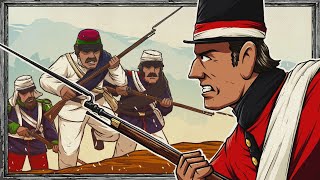
Paraguay’s most catastrophic event was the War of the Triple Alliance, fought against Brazil, Argentina, and Uruguay. Driven by territorial ambitions and political miscalculations, the conflict resulted in an estimated 400,000 deaths, roughly 60 % of the pre‑war population. The war decimated the adult male population, leaving a generation of widows and children who would shape the nation’s social fabric.
Key consequences included:
- Loss of