Trace Alphabet Worksheets: A Step‑by‑Step Guide for Parents and Educators
Tracing letters is one of the most effective ways to introduce young learners to the alphabet. It combines fine‑motor skill development with visual recognition, setting the foundation for reading and writing. In this article you’ll discover how to make your own trace alphabet worksheets, why they matter, and how to keep children engaged while they practice.
Why Trace Alphabet Worksheets Matter
Tracing offers several benefits for early childhood development:
- Fine‑motor skill building – Guiding a child’s hand along a letter shape strengthens the muscles needed for later writing.
- Visual memory reinforcement – Repeated exposure to a letter’s shape helps solidify recognition.
- Confidence boosting – Successful completion of a trace activity gives children a sense of achievement.
- Engagement with learning – Tracing can be turned into a playful activity that keeps kids interested.
By mastering the basic strokes of each letter, children are better prepared for more advanced phonics and spelling lessons.
How to Create Beautiful Trace Alphabet Worksheets
Creating your own worksheets allows you to tailor the design, font, and difficulty level to your child’s needs. Below is a concise, practical guide you can follow.
Materials You’ll Need
- Computer with a word processor or graphic design program (e.g., Microsoft Word, Google Docs, Canva)
- Printer and high‑quality paper (or a sturdy cardstock for durability)
- Optional: colored pencils or markers for added visual appeal
Step‑by‑Step Creation Process
- Choose a Font – Pick a clear, sans‑serif typeface that is easy to read. Fonts such as Comic Sans, Century Gothic, or a custom handwriting style work well for tracing.
- Set the Font Size – For younger children, a larger font (around 48‑60 pt) gives more space for movement. Older learners can use slightly smaller sizes (36‑48 pt).
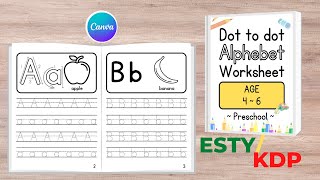
- Create a Letter Grid – Insert a table or use a grid layout to keep each letter centered. A 2‑column layout is ideal for alphabet practice.
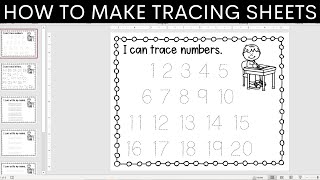
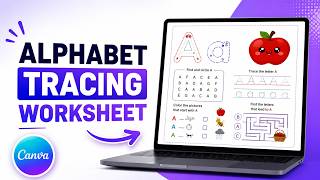
- Add Tracing Lines – Duplicate each letter and overlay a faint outline (e.g., 0.5‑pt line) that the child will trace. Adjust the line color so it’s visible but not distracting.
- Include a “Copy Below” Space – Leave a blank line or box beneath each traced letter where the child can write independently after practicing.
- Label Each Letter – Add the letter’s name or a phonetic cue (e.g., “A – /æ/”) to reinforce sound‑letter association.