Trump's Iran Strait of Hormuz Fee Plan: A Complex Diplomatic Move
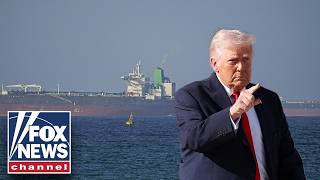
In a recent episode of 'The Big Money Show', President Donald Trump's plan to charge countries passing through the Strait of Hormuz a fee was discussed. This proposal has sparked significant debate, with many questioning its implications for global trade and diplomacy.
A Brief History of the Strait of Hormuz
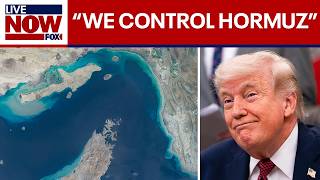
The Strait of Hormuz is a crucial waterway connecting the Persian Gulf to the Gulf of Oman and the Arabian Sea. It is the only sea outlet for the Arabian Gulf and a vital shipping lane for oil exports from the Middle East. The strait is approximately 90 miles long and up to 21 miles wide at its narrowest point.
Iran, with its significant military presence in the region, has long been aware of the strait's strategic importance. In recent years, tensions between the US and Iran have escalated, with the US imposing sanctions on Iran and Iran threatening to close the strait in response.
The Proposed Fee: A Diplomatic Move or Economic Pressure?
During his presidency, President Donald Trump has made several attempts to exert economic pressure on Iran, hoping to persuade it to renegotiate the Joint Comprehensive Plan of Action (JCPOA), also known as the Iran nuclear deal. One of these attempts involves charging countries passing through the Strait of Hormuz a fee.
The proposed fee would be a direct tax on shipping companies and countries that rely on the strait for trade. This move has been seen by some as an attempt to exert economic pressure on Iran, while others argue it is a legitimate way to cover the costs of maintaining security in the region.
Implications for Global Trade
The proposed fee has significant implications for global trade. The Strait of Hormuz is a critical shipping lane for oil exports, and any disruption to trade through the strait could have far-reaching consequences for the global economy.
According to a report by the U.S. Energy Information Administration (EIA), the Strait of Hormuz accounts for approximately 20% of the world's oil supply. Any attempts to charge a fee for passing through the strait could lead to increased costs for oil producers and consumers alike.
Additionally, the proposed fee could also have implications for the global trading system. The Strait of Hormuz is a major artery for international trade, and any attempts to charge a fee for passing through it could set a precedent for other chokepoints around the world.
Diplomatic Fallout
The proposed fee has also sparked diplomatic fallout, with several countries expressing concern over the move. Iran has warned that it will not accept any attempts to charge a fee for passing through the Strait of Hormuz, while other countries have expressed concern over the implications for global trade.
The European Union has also expressed concern over the proposed fee, with a spokesperson stating that the EU "will not accept any measures that could disrupt global trade flows or threaten international law."
Conclusion
The proposed fee for passing through the Strait of Hormuz is a complex issue with significant implications for global trade and diplomacy. While some argue it is a legitimate way to cover the costs of maintaining security in the region, others see it as an attempt to exert economic pressure on Iran.
As the situation continues to unfold, it remains to be seen how the international community will respond to the proposed fee. One thing is certain, however: the Strait of Hormuz remains a critical shipping lane, and any attempts to disrupt trade through the strait will have far-reaching consequences for the global economy.
Timeline of Events
- 2018: The US withdraws from the Iran nuclear deal, also known as the JCPOA.
- 2019: The US imposes sanctions on Iran in response to its nuclear activities.
- 2020: President Trump proposes charging countries passing through the Strait of Hormuz a fee.
- 2020: The European Union expresses concern over the proposed fee, stating that it will not accept any measures that could disrupt global trade flows or threaten international law.