UEFA Euro 2024 Stadiums: A Complete Guide
Germany is set to host UEFA Euro 2024, and the tournament will be staged in ten world‑class venues spread across the country. Each stadium combines modern architecture with a rich football heritage, offering fans an unforgettable match‑day experience. Below is a detailed look at every Euro 2024 stadium, their key features, and what makes them perfect for Europe’s biggest football celebration.
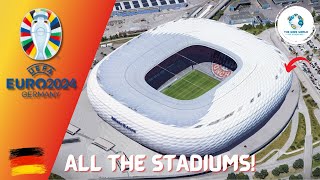
1. Allianz Arena – Munich
Located in the heart of Bavaria, the Allianz Arena is Germany’s most iconic football palace. Opened in 2005, it boasts a capacity of 75,000 seats and a striking façade of illuminated panels that can change colour to match the home team.
- Capacity: 75,000
- Opening year: 2005
- Key feature: Dynamic light‑show exterior
Munich’s football tradition, highlighted by legendary moments such as Bayern Munich’s 2013 Champions League triumph, adds a historic backdrop to Euro matches held here.
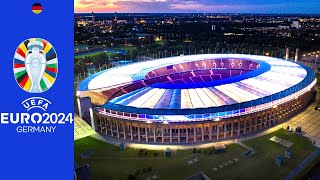
2. Olympiastadion – Berlin
The Olympiastadion, originally built for the 1936 Summer Olympics, has been continually modernised. It now accommodates 74,475 spectators and serves as the home of Hertha BSC.
- Capacity: 74,475
- Opening year: 1936 (renovated 2004)
- Key feature: Historic architecture with a modern roof
Its central location makes it a focal point for fans travelling from across Europe, and its storied past provides a unique atmosphere for high‑stakes games.
3. Signal Iduna Park – Dortmund
Known internationally as the “Yellow Wall”, Signal Iduna Park is the largest stadium in Germany with a capacity of 81,365. The venue is famed for its passionate supporters and vibrant match‑day chants.
- Capacity: 81,365
- Opening year: 1974 (expanded 1992)
- Key feature: The iconic “Yellow Wall” terrace
Hosting Euro 2024 matches here will showcase the electric atmosphere that only Dortmund