What Are Vocab Word Maps and Why They Matter
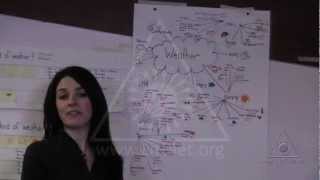
Vocab word maps are visual organizers that help learners break down a new word into its essential parts. By connecting definitions, synonyms, antonyms, example sentences, and related concepts, a word map creates a memorable network of meaning. This method is especially useful for students who want to improve reading comprehension and retain new English vocabulary for tests such as IELTS.
How a Vocabulary Word Map Works
Each map centers on a single target word. Around the core, you add branches that capture:
- Definition – a concise meaning in your own words.
- Key phrases – common collocations or idiomatic expressions that include the word.
- Synonyms and antonyms – words with similar or opposite meanings.
- Example sentences – short sentences that show the word in context.
- Visual cues – pictures or symbols that reinforce the concept.
Step‑by‑step guide
- Write the target word in the center of a blank page.
- Draw lines outward and label each line with one of the categories above.
- Fill in each section using a dictionary, a thesaurus, or a trusted online source.
- Review the map aloud, emphasizing the connections between ideas.
- Share this activity with students and parents to practice together.
Benefits for Reading and Writing
When learners create vocab word maps, they engage multiple cognitive pathways. The visual layout supports memory, while the act of writing definitions reinforces comprehension. This dual‑coding effect leads to better retention of new words, making it easier to recognize them while reading.
For writing tasks—especially in academic contexts like the IELTS Writing Course—having a ready‑made bank of phrases and collocations can dramatically improve fluency. By consulting a word map, students can quickly insert appropriate vocabulary, reducing the time spent searching for synonyms during an exam.
Integrating Vocab Word Maps into the Classroom
Teachers can use word maps as a regular warm‑up activity or as part of homework assignments. Here are some practical ideas:
- Partner practice: Students exchange maps and quiz each other on definitions and example sentences.
- Family involvement: Parents receive printable templates and help their children fill them out at home, reinforcing learning outside school.
- Digital versions: Online whiteboards or simple graphic‑design tools allow students to create colorful maps that can be shared instantly.
Tips for Making Effective Vocab Word Maps
To get the most out of this strategy, keep the following pointers in mind:
- Be concise. Use short phrases rather than long paragraphs.
- Use color. Highlight synonyms in one hue and antonyms in another to create visual contrast.
- Include real examples. Choose sentences from texts the students have already read, so the context feels familiar.
- Update regularly. Add new words each week and revisit older maps to reinforce
![Map [Kids Vocab] Where Is It? 🗺️ Reading Maps & Directions for Kids](https://i.ytimg.com/vi/IwBe7e8d74Y/mqdefault.jpg)