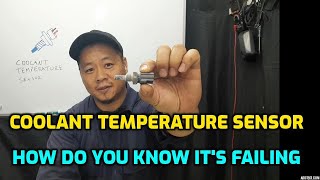
What Is a Warning High Temp Sign?
A warning high temp sign is an indicator that the engine temperature has risen above a safe threshold. It usually appears as a red or orange icon on the dashboard, often accompanied by a temperature gauge that reads above the normal range. This warning alerts drivers that the cooling system is not maintaining the ideal operating temperature, which can lead to engine damage if not addressed promptly.
Why the High Temp Warning Matters
Modern engines are engineered to run within a narrow temperature window—typically between 195°F and 220°F (90°C to 104°C). When temperatures climb higher, the risk of overheating increases, potentially causing:
- Warped cylinder heads
- Damaged head gaskets
- Reduced fuel efficiency
- Increased risk of a catastrophic engine failure
Recognizing the warning early can prevent costly repairs and keep your vehicle running smoothly.
Common Causes of a High Temperature Warning
Below are the most frequent reasons why a vehicle might trigger a high temp alert. These are based on data from industry experts and are consistent with findings in videos from Auto Fix Zone and other automotive channels.
- Coolant Leaks – A loss of coolant reduces the system’s ability to absorb heat.
- Faulty Thermostat – If the thermostat sticks closed, coolant cannot circulate properly.
- Broken Water Pump – A failed pump fails to move coolant through the engine.
- Clogged Radiator or Heater Core – Restricted airflow limits heat dissipation.
- Low Coolant Level – Even a small drop can elevate engine temperature.
- Electrical Issues with the Temperature Sensor – A malfunctioning sensor can misread the actual temperature.
How to Identify the Root Problem
When the high temp sign appears, start with a quick visual inspection:
- Check the coolant reservoir for low fluid.
- Look for obvious leaks under the vehicle.
- Feel the radiator fins for excessive heat.
- Listen for a whining sound that may indicate a failing water pump.
Fixing and Resetting the Engine Temperature
Once the cause is identified, follow these steps to correct the issue and reset the warning.
- Top Off Coolant – Use the recommended coolant mix for your vehicle. If the level is low, add coolant until it reaches the “Full” mark.
- Check for Leaks – Repair any identified leaks. If you’re unsure, contact a professional.
- Replace Faulty Parts – Swap out a stuck thermostat, broken water pump, or clogged radiator as needed.
- Flush the Cooling System – A coolant flush removes debris that can block flow.
- Reset the Warning Light – Most