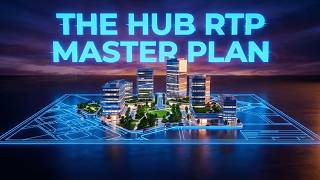
What Does RTP North Carolina Mean? An Overview of the Region’s Impact
RTP stands for Research Triangle Park, a 7,000‑acre research and development hub located in the heart of North Carolina’s Piedmont region. Established in 1959, the park was created to foster collaboration among universities, government agencies, and private industry. Today, it is one of the largest research parks in the world, home to more than 300 companies and over 50,000 employees.
Why RTP May Be the Perfect Place for You
If you are considering a move for career growth, education, or lifestyle, RTP offers a unique blend of opportunities. Below are several reasons why professionals and families alike find the area attractive:
- Strong Job Market: The park’s focus on high‑tech fields such as biotechnology, information technology, and advanced manufacturing creates a steady flow of well‑paid positions.
- World‑Class Universities: The “Triangle” refers to three research universities—Duke University, the University of North Carolina at Chapel Hill, and North Carolina State University—providing a deep talent pool and ongoing innovation.
- Quality of Life: The surrounding communities combine suburban comfort with cultural amenities, outdoor recreation, and a relatively low cost of living compared to other tech hubs.
North Carolina's Research Triangle Park Is a Global Innovation Engine
The park’s layout encourages interaction. Companies ranging from start‑ups to multinational corporations share campuses, conference centers, and collaborative spaces. This proximity drives knowledge transfer, accelerates product development, and attracts venture capital.
The park’s impact extends beyond economics. Research collaborations often lead to breakthroughs in health, sustainability, and digital infrastructure. For example, partnerships between biotech firms and UNC Chapel Hill have produced new therapies for rare diseases, while NC State’s engineering programs contribute to advances in renewable energy technologies.
The Future of Workforce Development
As the demand for skilled workers grows, RTP and its partner institutions have launched training programs that align with industry needs. Apprenticeships, boot camps, and continuing‑education courses are offered in fields such as data science, cybersecurity, and pharmaceutical research. These initiatives help ensure that the local labor force remains competitive on a global stage.
Infrastructure and Connectivity
Located in the heart of the Triangle, RTP benefits from extensive transportation networks. Major highways, a regional airport, and public transit options facilitate easy commuting. Moreover, the park’s digital infrastructure—high‑speed fiber optics and cloud services—supports the data‑intensive operations of modern enterprises.
Living in the Triangle: Community and Culture
Beyond the workplace, the region