What Happens When Body Temperature Rises Too High
Body temperature is tightly regulated by the hypothalamus, a tiny brain region that acts like a thermostat. When the internal temperature climbs above the normal range of 36.5–37.5°C (97.7–99.5°F), the body initiates a series of physiological responses to protect vital organs. Understanding these responses helps you recognize when a fever is a helpful immune tool and when it becomes a dangerous condition that requires medical attention.
How Fever Works as a Defense Mechanism
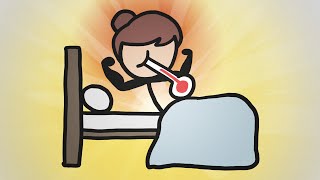
Fevers are one of our best weapons against infections, but they don't work like you might think. Rather than “burning” pathogens, a higher temperature creates an environment that slows bacterial replication and enhances the activity of white blood cells. Cytokines such as interleukin‑1 and tumor necrosis factor signal the hypothalamus to raise the set point, triggering shivering, vasoconstriction, and an increased metabolic rate.
We’d like to give a big thank you to the researchers who first mapped these pathways, because their work shows why a moderate fever (up to about 38.5°C or 101.3°F) is often harmless and may even speed recovery.
When Temperature Exceeds the Safe Range
Once the core temperature climbs above 40°C (104°F), the protective benefits of fever give way to cellular stress. Proteins begin to denature, enzymes lose efficiency, and neurons become vulnerable to damage. This stage, known as hyperthermia, can arise from severe infections, heat‑stroke, or certain medications.
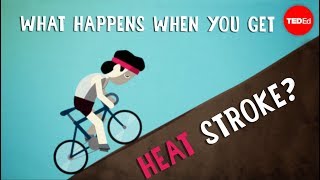
- Heat‑stroke: prolonged exposure to extreme ambient heat, such as a summer heat wave that broke a record in Toronto on Tue, Jul 17, can push body temperature beyond safe limits.
- Severe infections: meningitis or sepsis may drive temperatures above 41°C (105.8°F).
- Drug‑induced hyperthermia: substances like amphetamines or certain anesthetics interfere with the hypothalamic set point.
Symptoms of Dangerous Temperature Rise
Early signs that a fever is becoming hazardous include:
- Profuse sweating followed by a sudden lack of sweat.
- Rapid, shallow breathing and a racing heart rate.
- Confusion, agitation, or loss of consciousness.
- Muscle cramps, nausea, or vomiting.