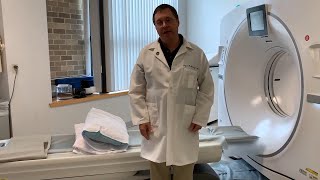
What Is A LDCT Lung Screening? A Clear Guide to Early Detection
Low‑dose computed tomography (LDCT) lung screening is a medical test that uses a small amount of radiation to produce detailed images of the lungs. The goal is to identify early signs of lung cancer, especially in people who have a history of smoking. Early detection saves lives, and LDCT is the most effective tool available for spotting abnormalities before symptoms appear.
How LDCT Works
Computed tomography (CT) uses X‑rays and computer technology to produce comprehensive images of your lungs in a matter of minutes. In an LDCT scan, the radiation dose is reduced to about one‑tenth of a standard diagnostic CT, making the procedure safe for routine screening while still providing clear pictures of lung tissue.
Who Should Consider LDCT Screening?
If you're a smoker or former smoker, a simple LDCT lung screening could be a vital step in protecting your health. The United States Preventive Services Task Force (USPSTF) recommends annual screening for adults who meet the following criteria:
- Age 50 to 80 years
- Current smokers or those who have quit within the past 15 years
- A smoking history of at least 20 pack‑years (one pack per day for 20 years)
Even if you fall just outside these guidelines, talk to your health care provider. Some insurance plans cover LDCT screening for people at high risk, and early detection can dramatically improve treatment outcomes.
What to Expect During the Scan
- Preparation: No special preparation is required. You may be asked to avoid heavy meals or nicotine for a short period before the test.
- Positioning: You will lie on a narrow table that slides into the CT scanner. Technologists will place a small marker on your chest to help align the images.
- Scanning: The scanner rotates around you, emitting low‑dose X‑rays. The entire process takes about 10 minutes, and you remain awake throughout.
- Results: A radiologist reviews the images and sends a report to your physician, who will discuss the findings with you.
Benefits of LDCT Lung Screening
When performed annually, LDCT screening can:
- Detect lung cancer at stage I or II, when surgery is most effective.
- Identify other lung conditions such as emphysema or pulmonary nodules.
- Provide peace of mind for high‑risk individuals.
Studies have shown that LDCT screening reduces lung‑cancer mortality by up to 20 percent compared with no screening. This statistic underscores why early detection saves lives and why health professionals encourage eligible patients to learn more about LDCT screening options.
Potential Risks and Limitations
While LDCT is safe, it is not without drawbacks. The primary concerns include:
- False positives: Small nodules may appear suspicious but turn out to be benign, leading to additional tests.
- Radiation exposure: Although low, repeated