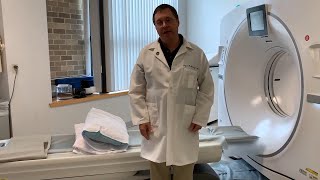
What Is LDCT Lung Cancer Screening?
Low‑dose computed tomography (LDCT) is a non‑invasive imaging method designed to detect lung cancer at an early stage. Unlike standard CT scans, LDCT uses a reduced amount of radiation while still producing detailed images of the lung tissue. The goal of LDCT lung cancer screening is to identify small, asymptomatic tumors before they spread, giving patients a better chance of successful treatment. This approach is recommended for people who meet specific risk criteria, such as age and smoking history. Learn more about lung cancer to understand why early detection matters.
Who Should Consider LDCT Screening?
Guidelines from major health organizations suggest LDCT screening for adults who meet the following conditions:
- Age 50 to 80 years.
- Current smokers or individuals who have quit within the past 15 years.
- A smoking history of at least 20 pack‑years (one pack per day for 20 years).
If you fall into one of these categories, discuss screening with your healthcare provider. People without a significant smoking history generally do not benefit from routine LDCT, but other risk factors, such as exposure to radon or occupational hazards, may still be relevant. Learn more about lung cancer screening to see if you qualify.
How the Screening Process Works
The LDCT procedure is quick and straightforward. After a brief consultation, you will lie on a table that slides into the scanner. The machine takes multiple low‑dose X‑ray images while you hold your breath for a few seconds. The entire scan typically lasts less than five minutes, and the images are reviewed by a radiologist who looks for nodules or other abnormalities.
If a nodule is found, the radiologist will assess its size, shape, and density to determine whether further evaluation is needed. In many cases, a follow‑up scan in a few months is sufficient to monitor changes. More concerning findings may lead to additional diagnostic tests, such as a biopsy or PET scan.
Benefits of LDCT Screening
Research shows that LDCT can reduce lung cancer mortality by detecting tumors when they are still localized. The primary benefits include:
- Early detection: Finding cancer at stage I or II often allows for less aggressive treatment.
- Reduced radiation exposure: The low‑dose protocol minimizes the risk associated with repeated imaging.
- Peace of mind: For high‑risk individuals, regular screening provides reassurance and a clear plan for