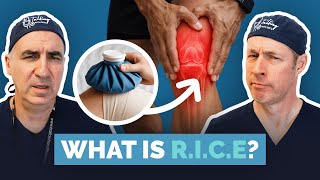
What Is Rice Injury: Understanding the Acronym and Its Application
When it comes to treating acute injuries, such as sprains, strains, or bruises, the RICE method is a widely recognized and recommended approach. RICE is an acronym that stands for Rest, Ice, Compression, and Elevation. In this article, we will break down each component of the RICE method and explore its application in managing acute injuries.The RICE Method: A Brief Overview
The RICE method is a simple, yet effective way to treat acute injuries. It helps to reduce pain and inflammation, promote healing, and prevent further injury. The four components of the RICE method are:- Rest: Avoid activities that aggravate the injury and give the affected area time to heal.
- Ice: Apply ice to the affected area to reduce pain and inflammation.
- Compression: Use a compression bandage or wrap to help reduce swelling.
- Elevation: Elevate the affected area above the level of the heart to reduce swelling and promote blood flow.
Rest: The First Step in Recovery
Rest is an essential component of the RICE method. When an injury occurs, it's essential to avoid activities that aggravate the injury and give the affected area time to heal. This may mean taking a break from sports, exercise, or other activities that may have caused the injury. Resting the affected area allows the body to begin the healing process and reduces the risk of further injury.Ice: Reducing Pain and Inflammation
Ice is a common treatment for acute injuries, and for good reason. Applying ice to the affected area helps to reduce pain and inflammation. Ice works by constricting blood vessels, which reduces blood flow to the affected area and subsequently reduces inflammation. When applying ice, it's essential to wrap the ice in a towel or cloth to avoid direct contact with the skin. Apply ice for 15-20 minutes, several times a day.Compression: Reducing Swelling
Compression is another critical component of the RICE method. Using a compression bandage or wrap helps to reduce swelling by applying pressure to the affected area. This can be especially helpful for injuries such as sprains or strains. When applying compression, be careful not to wrap the bandage too tightly, as this can cut off circulation.Elevation: Promoting Blood Flow and Reducing Swelling
Elevation is the final component of the RICE method. Elevating the affected area above the level of the heart helps to reduce swelling and promote blood flow. This can be achieved by propping up the affected area with pillows or using a wedge pillow. Elevation helps to reduce gravity's effect on swelling and promotes the return of blood to the heart.Putting it All Together: A Step-by-Step Guide
To effectively manage an acute injury using the RICE method, follow these steps:- Rest: Stop activity and rest the affected area.
- Ice: Apply ice to the affected area for 15-20 minutes, several times a day.
- Compression: Use a compression bandage or wrap to help reduce swelling.
- Elevation: Elevate the affected area above the level of the heart to reduce swelling and promote blood flow.
Conclusion
The RICE method is a simple, yet effective way to manage acute injuries. By understanding the components of the RICE method and applying them correctly, individuals can reduce pain and inflammation, promote healing, and prevent further injury. If you're unsure about the severity of an injury or how to manage it, it's always best to consult with a medical professional for proper evaluation and treatment.For more information on sports medicine and injury management, visit Mosaic Life Care or contact a medical professional directly.