What Is the Difference Between an Extreme Heat Warning and a Heat Advisory?
When temperatures soar, the National Weather Service (NWS) issues public alerts to help people stay safe. Two of the most common alerts are the Extreme Heat Warning and the Heat Advisory. Although both signals indicate dangerous heat, they differ in severity, timing, and the precautions recommended by experts such as WFMY News 2 meteorologist Claire Fry and KENS 5 meteorologist Ryan Shoptaugh.
Understanding the Basics
What is a Heat Advisory? A Heat Advisory is issued when the heat index— a combination of temperature and humidity— is expected to reach levels that could cause discomfort and mild health effects for the general public. Typically, the advisory is triggered when the heat index is forecasted to be between 100°F (38°C) and 105°F (40.6°C) for at least three consecutive hours.
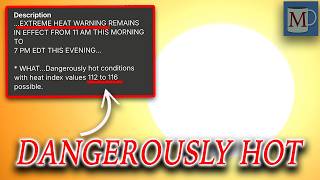
What is an Extreme Heat Warning? An Extreme Heat Warning is a step up in severity. It is announced when the heat index is projected to exceed 105°F (40.6°C) for a sustained period, often accompanied by high humidity. This level of heat can cause serious health problems, including heat exhaustion and heat stroke, especially for vulnerable populations.
Key Differences at a Glance
- Thresholds: Heat Advisory – 100‑105°F heat index; Extreme Heat Warning – >105°F heat index.
- Duration: Advisories usually cover a shorter window (3‑6 hours); Warnings may last 12 hours or more.
- Public Messaging: Advisories focus on staying hydrated and limiting outdoor activity; Warnings emphasize the need for immediate protective actions, such as seeking air‑conditioned environments.
- Target Audience: Both alerts address the general public, but warnings specifically highlight risks for seniors, children, and people with chronic illnesses.
How the National Weather Service Issues Alerts
The NWS uses a standardized set of criteria that vary slightly by region. In the southern United States, for example, the threshold for an Extreme Heat Warning can be lower because humidity amplifies the heat’s impact. The agency’s alerts are disseminated through local news stations, weather apps, and the Emergency Alert System.
WFMY News 2 meteorologist Claire Fry explains the importance of paying attention to the exact wording of an alert. “A Heat Advisory tells you to be cautious, but an Extreme Heat Warning is a call to action. It means the environment is dangerous enough that you should change your plans immediately.”
Practical Guidance from Meteorologists
KENS 5 meteorologist Ryan Shoptaugh explains what you need to know about the different alerts:
- During a Heat Advisory: Drink plenty of water, wear light clothing, and schedule strenuous activities for early morning or evening.