What Would Happen If Iran Closes The Strait Of Hormuz?
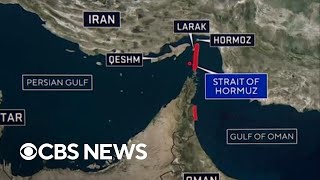
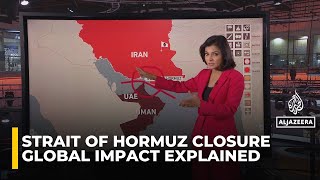
The Strait of Hormuz is one of the world’s most critical maritime chokepoints. Roughly 20% of global oil consumption passes through this narrow waterway each day, along with a substantial share of liquefied natural gas (LNG) and bulk commodities. When Iranian officials threaten to shut the strait, the world watches closely, and the potential consequences ripple through energy markets, international security, and regional economies.
Why the Strait Matters
- Geographic bottleneck: The strait is only about 21 nautical miles wide at its narrowest point, with a shipping lane that allows just two vessels to pass side‑by‑side.
- Energy flow: In 2023, an average of 18‑19 million barrels of oil per day and roughly 30 billion cubic meters of gas per year moved through the passage.
- Strategic position: The waterway links the Persian Gulf to the Gulf of Oman and the open Indian Ocean, making it a gateway for trade between the Middle East and the rest of the world.
Immediate Economic Impact
If Iran were to close the strait, the most immediate effect would be a sharp rise in oil and gas prices. Traders would react to the loss of a major supply route by re‑pricing risk, leading to:
- Higher spot prices for Brent and WTI crude, potentially exceeding $100 per barrel within weeks.
- Increased freight rates for tankers, as carriers seek longer routes around the Cape of Good Hope.
- Volatility in global stock markets, especially for energy‑intensive sectors such as transportation, chemicals, and aviation.
These price spikes would not stay confined to the energy sector. Higher fuel costs translate into increased transportation expenses, which in turn raise the price of consumer goods worldwide.
Geopolitical Repercussions
Closing the strait would trigger a series of diplomatic and military responses:
- U.S. and allied naval presence: The United States, the United Kingdom, and other NATO members maintain a continuous naval patrol in the Persian Gulf. A closure would likely prompt a rapid escalation of naval operations to keep the waterway open.
- Regional tensions: Iran’s neighbors—Saudi Arabia, the United Arab Emirates, and Oman—rely heavily on the strait for imports and exports. Their governments would pressure Tehran to reverse the shutdown, potentially leading to diplomatic isolation for Iran.
- UN and international law: The United Nations Convention on the Law of the Sea guarantees the right of innocent passage. A unilateral closure could be deemed a violation, inviting sanctions or resolutions at the UN Security Council.
Potential Military Scenarios
While a full‑scale military confrontation is not inevitable, several plausible scenarios could unfold:
- Naval escorts: Coalition warships might escort commercial vessels through the strait, a practice used during previous Iranian threats.
- Limited skirmishes: Small‑scale engagements between Iranian Revolutionary Guard vessels and coalition ships could occur, raising the risk of accidental escalation.
- Cyber and missile threats: